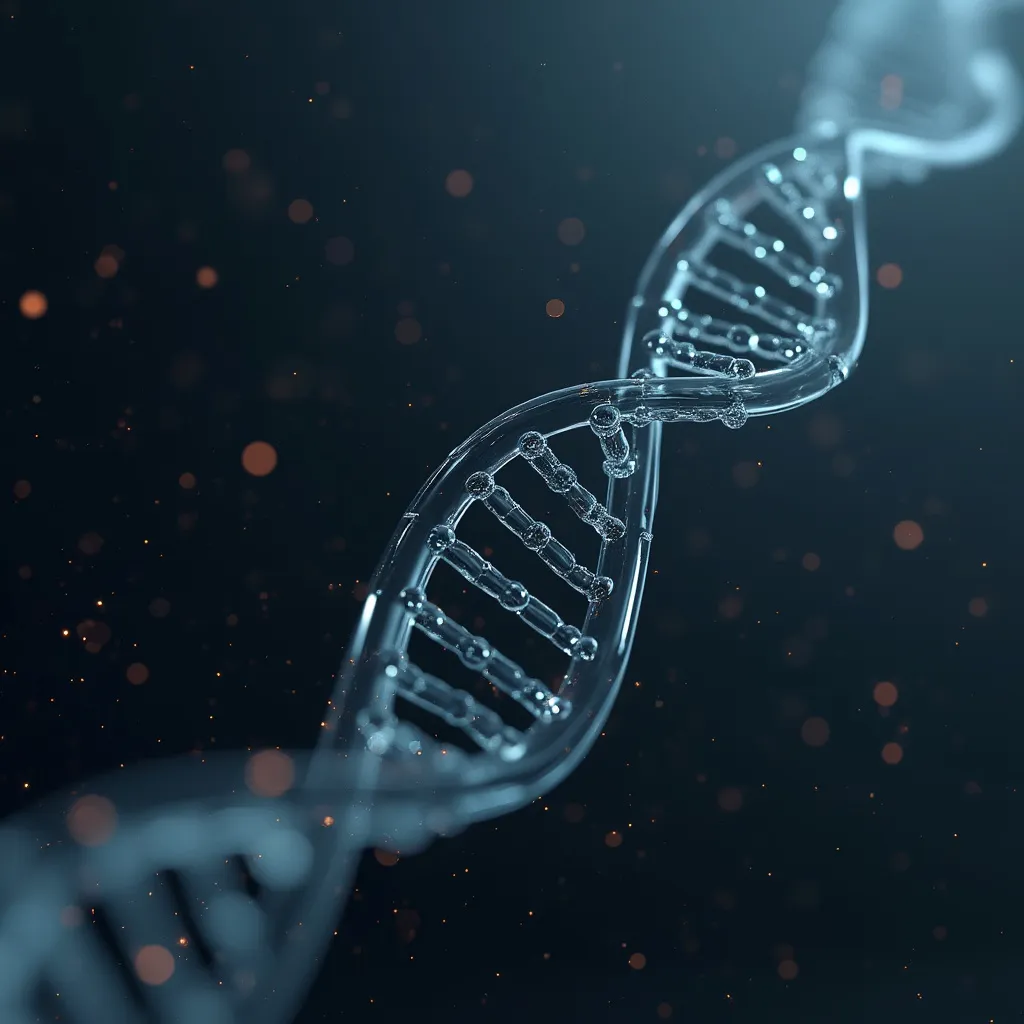
Understanding Genetics: A Comprehensive Overview
Genetics is a branch of biology focused on the study of genes, genetic variation, and heredity in organisms. The field has dramatically expanded our understanding of life, providing insights into how traits are passed down from generation to generation and how various biological processes are influenced by genetic makeup.
Historical Background of Genetics
The foundation of genetics can be traced back to the work of Gregor Mendel in the 19th century. Through his experiments with pea plants, Mendel uncovered the principles of inheritance, revealing how traits could be passed down in predictable patterns. His discoveries laid the groundwork for what would become the science of genetics.
Core Concepts in Genetics
The primary unit in genetics is the gene, a segment of DNA that encodes the instructions for building proteins, which perform vital functions in living organisms. DNA, or deoxyribonucleic acid, is the molecule that carries genetic information. Human DNA consists of approximately 20,000 genes distributed across 23 chromosome pairs. Understanding genes and DNA is essential for grasping how traits and features are inherited.
Genetic Variation and Its Importance
Genetic variation refers to differences in DNA sequences among individuals within a population. These variations can influence physical appearance, susceptibility to diseases, and even behavior. Genetic diversity is crucial for the survival of species, as it enables populations to adapt to changing environments and resist certain diseases.
Molecular Genetics and Genomics
Molecular genetics focuses on the molecular structure and function of genes. It explores how genes are regulated, replicated, and expressed. Genomics, a broader field, involves the study of an organism's complete set of DNA, including all of its genes. Advances in genomics have been accelerated by technology like DNA sequencing, enabling more precise and comprehensive genetic studies than ever before.
Practical Applications of Genetics
Genetics has numerous applications in various fields, including medicine, agriculture, and forensics. In medicine, genetic testing can identify predispositions to certain diseases, allowing for personalized treatment plans. Services like ChatDNA offer users the ability to analyze their DNA to gain health and wellness insights, reusing data from popular DNA tests without focusing on ancestry. In agriculture, genetic engineering can create crops resistant to pests and diseases. In forensics, DNA profiling is used to identify individuals in criminal investigations.
Ethical and Social Implications
While genetics offers remarkable potential, it also poses ethical questions. Issues include privacy concerns related to genetic information, the implications of genetic modification, and the potential for discrimination based on genetic data. These considerations are essential for responsible use and development of genetic technologies.
Lesser-Known Aspects of Genetics
A less commonly discussed topic within genetics is epigenetics. This refers to changes in gene expression caused by mechanisms other than changes in the underlying DNA sequence. Epigenetic modifications can be influenced by environmental factors and lifestyle, which means that the expression of genes can change over time without altering the DNA itself. This field of study reveals that gene expression is not fixed and can be dynamically regulated throughout an individual's life.
Conclusion
Genetics is a dynamic and rapidly evolving field that plays a crucial role in our understanding of the natural world. Its implications reach far beyond traditional biology, impacting medicine, agriculture, and ethical debates. As research continues to advance, the potential applications and understanding of genetics promise to expand, offering new insights and opportunities.
What is ChatDNA?
ChatDNA can analyze your DNA to answer any question. When you ask a question it will provide clear explanations and meaningful insights about who you are at a genetic level.
You can import existing DNA results from all major services like 23andMe and AncestryDNA or purchase a new DNA test kit through ChatDNA.
ChatDNA is especially valuable for anyone interested in:
- Understanding how their genes influence health and wellness
- Learning about their unique genetic traits
- Discovering personalized insights about their biological characteristics
- Getting clear, conversational answers to their DNA-related questions
Ready to get answers about your DNA? Visit ChatDNA.co to get started.