What is the Genetic Code
The genetic code is a set of instructions within an organism's DNA that dictates how genetic information is translated into proteins, the building blocks of life. Understanding this code is fundamental to genetics and its applications in numerous fields, including medicine, biotechnology, and even personal health insights through services like ChatDNA.
Understanding the Basics
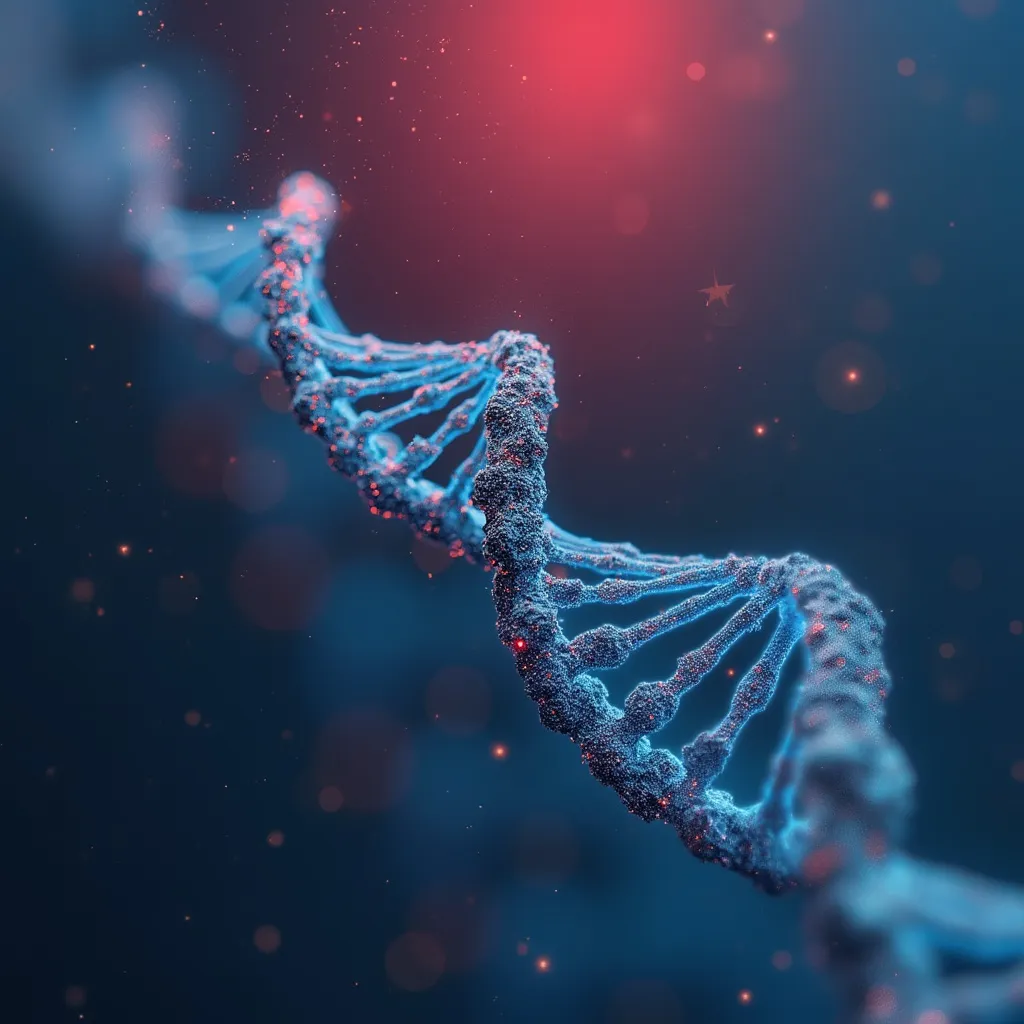
The genetic code consists of sequences of nucleotides, the molecules that make up DNA. In humans and most other life forms, DNA is composed of four types of nucleotides: adenine (A), thymine (T), cytosine (C), and guanine (G). These nucleotides pair in a specific manner: A with T and C with G, forming the famous double helix structure of DNA.
Codons and Protein Synthesis
The genetic code is structured into units called codons, which are groups of three nucleotides. Each codon corresponds to a specific amino acid or serves as a start or stop signal during protein synthesis. The sequence of codons in a gene is translated into a chain of amino acids, creating a protein. With 64 possible codons and 20 standard amino acids, the genetic code is redundant; several codons can code for the same amino acid.
Universality of the Genetic Code
The genetic code is nearly universal, meaning that nearly all organisms use the same codon to amino acid mapping. This universality suggests a common evolutionary origin. However, there are some exceptions. In certain organisms and cellular components like mitochondria, slight variations in the genetic code occur. This demonstrates the code's adaptability and evolutionary significance.
Genetic Code Evolution
The exact progression by which the genetic code developed remains a topic of scientific investigation. One hypothesis suggests that the code evolved to minimize the effects of mutations. Codons for similar amino acids often differ by only a single nucleotide, implying that minor mutations may have a reduced impact on the protein's function.
The Role of RNA in Decoding
During the process of protein synthesis, the genetic information stored in DNA is transcribed into messenger RNA (mRNA). This RNA sequence is then read by ribosomes in the cell to assemble proteins. Transfer RNA (tRNA) molecules help translate the mRNA by bringing the appropriate amino acids to the ribosome, matching each codon with the corresponding amino acid.
Mutation and the Genetic Code
Mutations in the DNA sequence can alter the genetic code, sometimes leading to changes in the protein product. These changes can have significant implications for an organism's development and functioning. While many mutations are neutral or harmful, some can lead to beneficial traits, contributing to genetic diversity and evolution.
Practical Applications
The understanding and manipulation of the genetic code have vast applications. In medicine, it has facilitated the development of gene therapies and personalized treatments for genetic disorders. Biotechnology benefits from the genetic code through innovations like recombinant DNA technology, which allows for the modification of organisms to produce substances like insulin.
For individuals interested in personal health insights, services like ChatDNA enable users to explore their genetic information. These platforms allow the use of existing DNA data to uncover potential health and wellness insights that could inform lifestyle and health management.
Lesser-Known Facts
One lesser-known aspect of the genetic code is its potential role in quantum biology. Some researchers propose that quantum mechanics might play a part in biological processes, including genetic information processing. While this is still a developing field, it highlights the complexity and depth of biological systems and their underlying codes.
Conclusion
The genetic code is a critical element of life, guiding the synthesis of proteins that perform countless functions within living organisms. As our understanding of the genetic code continues to advance, it opens up new possibilities for scientific innovation, personalized medicine, and insights into the very nature of life.
What is ChatDNA?
ChatDNA can analyze your DNA to answer any question. When you ask a question it will provide clear explanations and meaningful insights about who you are at a genetic level.
You can import existing DNA results from all major services like 23andMe and AncestryDNA or purchase a new DNA test kit through ChatDNA.
ChatDNA is especially valuable for anyone interested in:
- Understanding how their genes influence health and wellness
- Learning about their unique genetic traits
- Discovering personalized insights about their biological characteristics
- Getting clear, conversational answers to their DNA-related questions
Ready to get answers about your DNA? Visit ChatDNA.co to get started.