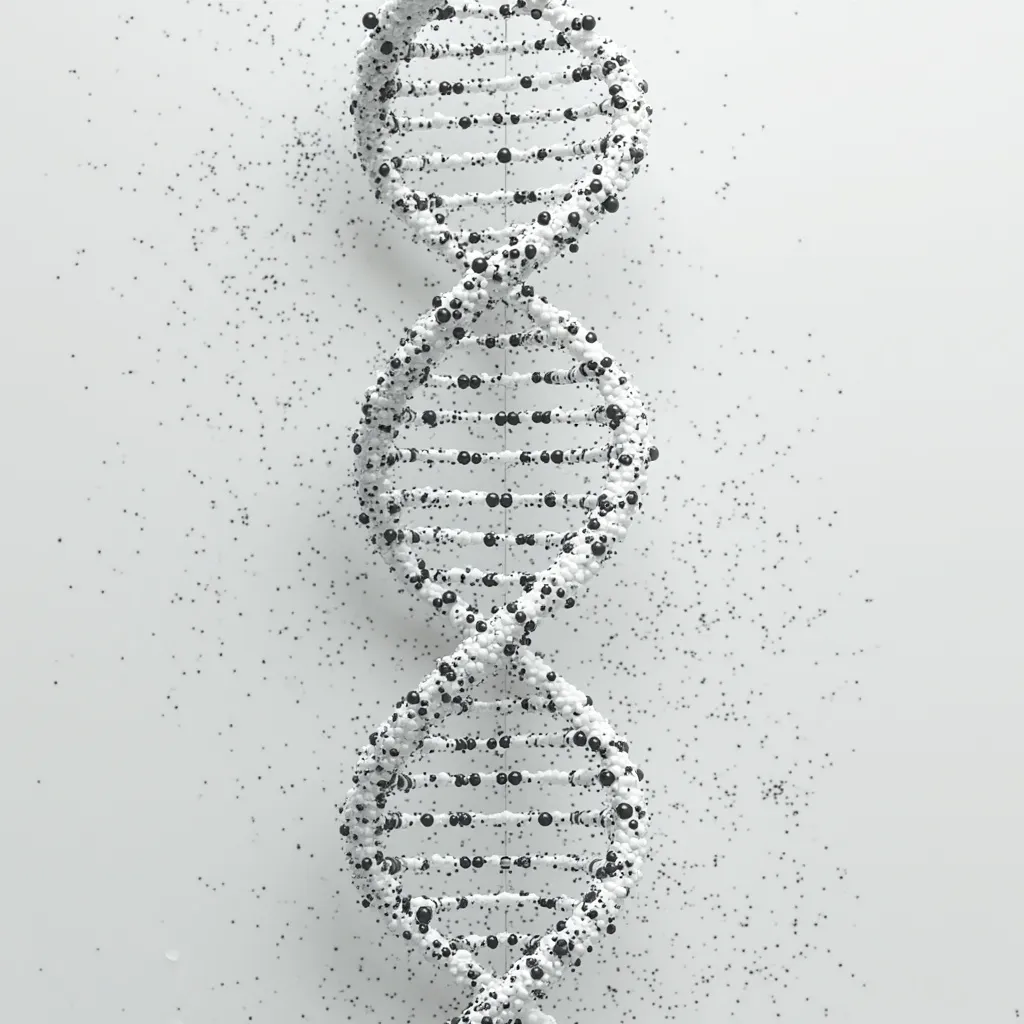
Understanding the Genetic Code Definition
The genetic code is a set of rules used by living cells to translate information encoded within genetic material into proteins. These proteins are critical for the survival and functioning of every living organism. At its core, the genetic code is how DNA and RNA sequences determine the amino acid sequences of proteins. This transformation from genetic instructions to functional molecules is essential for life.
What Is the Genetic Code
The genetic code consists of sequences of three nucleotides, known as codons, found on messenger RNA (mRNA). These codons correspond to specific amino acids or stop signals during protein synthesis. The process begins when the DNA is transcribed into mRNA. The mRNA is then read by ribosomes in the cell, converting the nucleotide sequence into a polypeptide chain. This chain folds to form proteins, which perform a multitude of functions in the organism.
Features of the Genetic Code
The genetic code has several key characteristics. It is universal, meaning it is consistent across almost all organisms, with a few exceptions. This universality underscores the shared evolutionary origin of life. The code is also degenerate, signifying that many amino acids are specified by more than one codon. This redundancy protects against mutations, as changes in the third base of a codon often do not affect the amino acid it encodes. The code is also unambiguous, meaning that each codon specifies only one amino acid.
Origins and Evolution of the Genetic Code
The genetic code is believed to have originated over three billion years ago. Various theories suggest that the code's nature is a product of evolutionary pressures, such as the need for error minimization. Researchers explore the idea that certain amino acids became associated with specific codons due to metabolic processes in early life forms. The genetic code's near universality is considered a powerful example of evolutionary conservation.
How Genetic Code Influences Organism Traits
Proteins formed through the genetic code are crucial for cellular structure, function, and regulation. Enzymes, a type of protein, act as catalysts in biochemical reactions. Structural proteins provide support and shape to cells and tissues. Transport proteins move molecules across cell membranes, while antibodies defend against pathogens. These functions highlight the profound influence the genetic code has on an organism’s traits and abilities.
Implications of the Genetic Code in Modern Biotechnology
The understanding of the genetic code has led to significant advancements in biotechnology and medicine. Genetic engineering allows scientists to alter the genetic code for agricultural and therapeutic purposes. This understanding is vital in developing gene therapies that aim to treat genetic disorders by replacing or repairing faulty genes. Services like ChatDNA can analyze genetic information to offer health and wellness insights, reflecting the practical applications of genetic knowledge.
Beyond a Simple Code
While the genetic code is often explained through the lens of codon-amino acid mapping, there is a growing understanding of its broader functions. Epigenetic factors, such as chemical modifications to DNA and histone proteins, can influence gene expression without altering the genetic code itself. The interactions between epigenetic and genetic factors are crucial in the regulation of genes and development.
Conclusion
The genetic code is fundamental to the understanding of biology and the continuity of life. Its role extends from the evolution of life itself to modern applications in health and biotechnology. By studying the genetic code, scientists continue to unlock the mysteries of biological processes and disease mechanisms, contributing to the development of new technologies and treatments. This foundational knowledge remains pivotal in advancing both theoretical and applied biosciences.
What is ChatDNA?
ChatDNA can analyze your DNA to answer any question. When you ask a question it will provide clear explanations and meaningful insights about who you are at a genetic level.
You can import existing DNA results from all major services like 23andMe and AncestryDNA or purchase a new DNA test kit through ChatDNA.
ChatDNA is especially valuable for anyone interested in:
- Understanding how their genes influence health and wellness
- Learning about their unique genetic traits
- Discovering personalized insights about their biological characteristics
- Getting clear, conversational answers to their DNA-related questions
Ready to get answers about your DNA? Visit ChatDNA.co to get started.