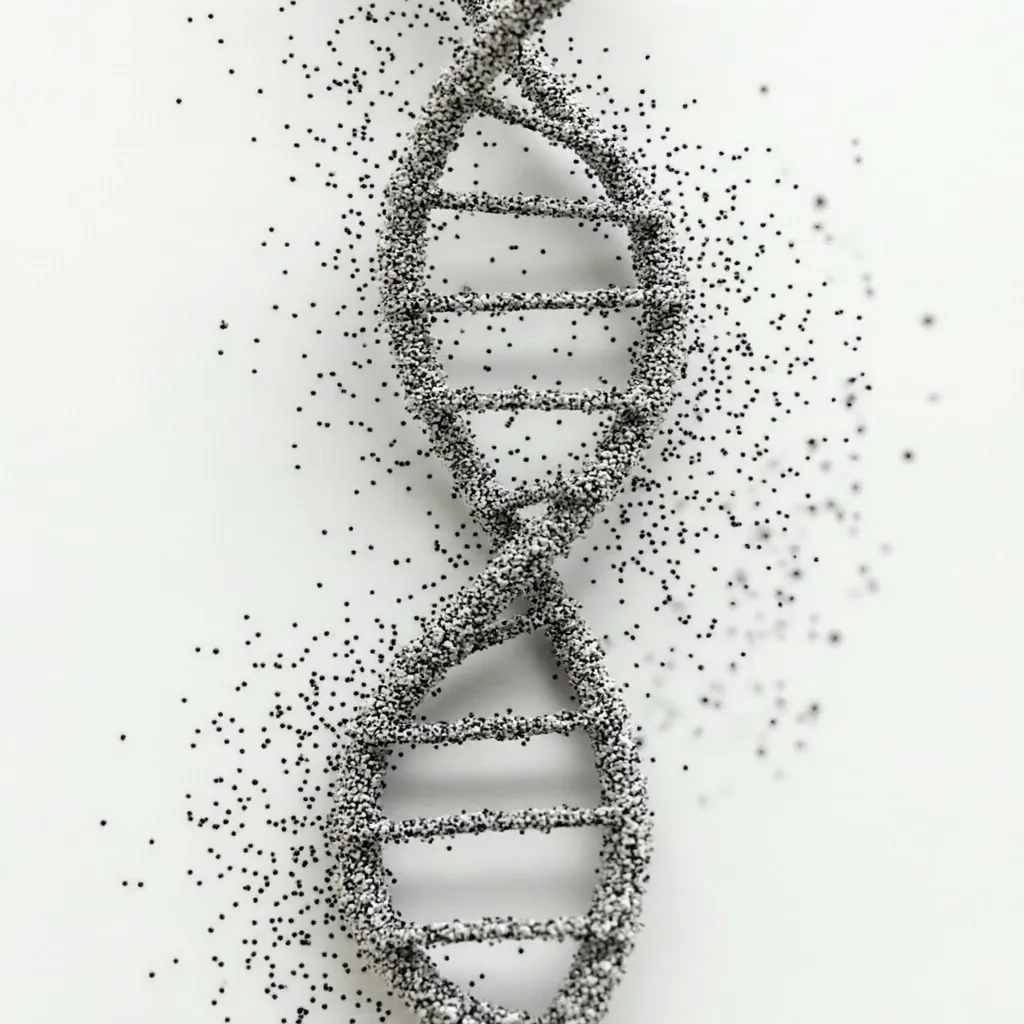
Understanding PTSD Genetic Markers
Post-Traumatic Stress Disorder (PTSD) has long been recognized as a complex condition triggered by traumatic experiences. Recent advancements in genetic research suggest that genetics may play a role in an individual's susceptibility to PTSD. This article delves into the concept of genetic markers associated with PTSD and their implications, providing comprehensive insights for those seeking to understand this area of mental health.
What Are Genetic Markers
Genetic markers are specific sequences in the DNA that can be associated with certain traits or diseases. They are essential tools in genetics to help identify disease risk, understand genetic variations, and investigate the hereditary nature of specific conditions. In the context of PTSD, genetic markers can reveal how genetic variations may influence the risk of developing the disorder after exposure to trauma.
Research on PTSD and Genetics
Research into PTSD genetic markers is still in its early stages, yet several studies have highlighted various genes that may be linked to PTSD susceptibility. Key genes often associated with PTSD include those involved in the regulation of stress hormones, neurotransmitters, and the immune response. For example, abnormalities in the FKBP5 gene, which influences stress hormone regulation, have been studied in relation to PTSD symptoms.
Epigenetics and PTSD
Beyond genetic markers themselves, the field of epigenetics provides further understanding of PTSD. Epigenetics involves changes in gene expression without altering the DNA sequence. Trauma can lead to epigenetic modifications that impact gene expression, potentially increasing PTSD risk. Studying these modifications aids in understanding how the environment interacts with genetic predisposition.
Practical Steps to Explore Genetic Predisposition
Individuals interested in exploring their genetic predisposition to PTSD can consider DNA testing services. These services analyze genetic data to provide insights into various health and wellness aspects. ChatDNA and similar services allow users to reuse their DNA data to explore genetic information related to mental health, including potential PTSD genetic markers.
Challenges and Ethical Considerations
While the study of PTSD genetic markers holds promise, it is important to recognize the challenges and ethical considerations. Genetic research is complex, and linking genes to disorders like PTSD requires careful consideration of broader biological and environmental contexts. Moreover, privacy and the ethical use of genetic data are critical issues that need addressing.
Future Directions in PTSD Genetic Research
The future of PTSD genetic research looks promising, with potential implications for personalized treatments and preventative strategies. Discovering specific genetic markers may lead to targeted therapies that address the unique genetic profiles of individuals. Researchers continue to explore how genetic information, combined with psychological and environmental factors, can enhance our understanding and treatment of PTSD.
Conclusion
The exploration of PTSD genetic markers offers a valuable perspective into how genetic predispositions may influence the development of PTSD. While the field is in its infancy, ongoing research is critical to uncovering the complex interplay between genes and trauma. Genetic insights hold the potential to improve mental health strategies, providing more personalized and effective approaches to support those at risk of PTSD.
What is ChatDNA?
ChatDNA can analyze your DNA to answer any question. When you ask a question it will provide clear explanations and meaningful insights about who you are at a genetic level.
You can import existing DNA results from all major services like 23andMe and AncestryDNA or purchase a new DNA test kit through ChatDNA.
ChatDNA is especially valuable for anyone interested in:
- Understanding how their genes influence health and wellness
- Learning about their unique genetic traits
- Discovering personalized insights about their biological characteristics
- Getting clear, conversational answers to their DNA-related questions
Ready to get answers about your DNA? Visit ChatDNA.co to get started.