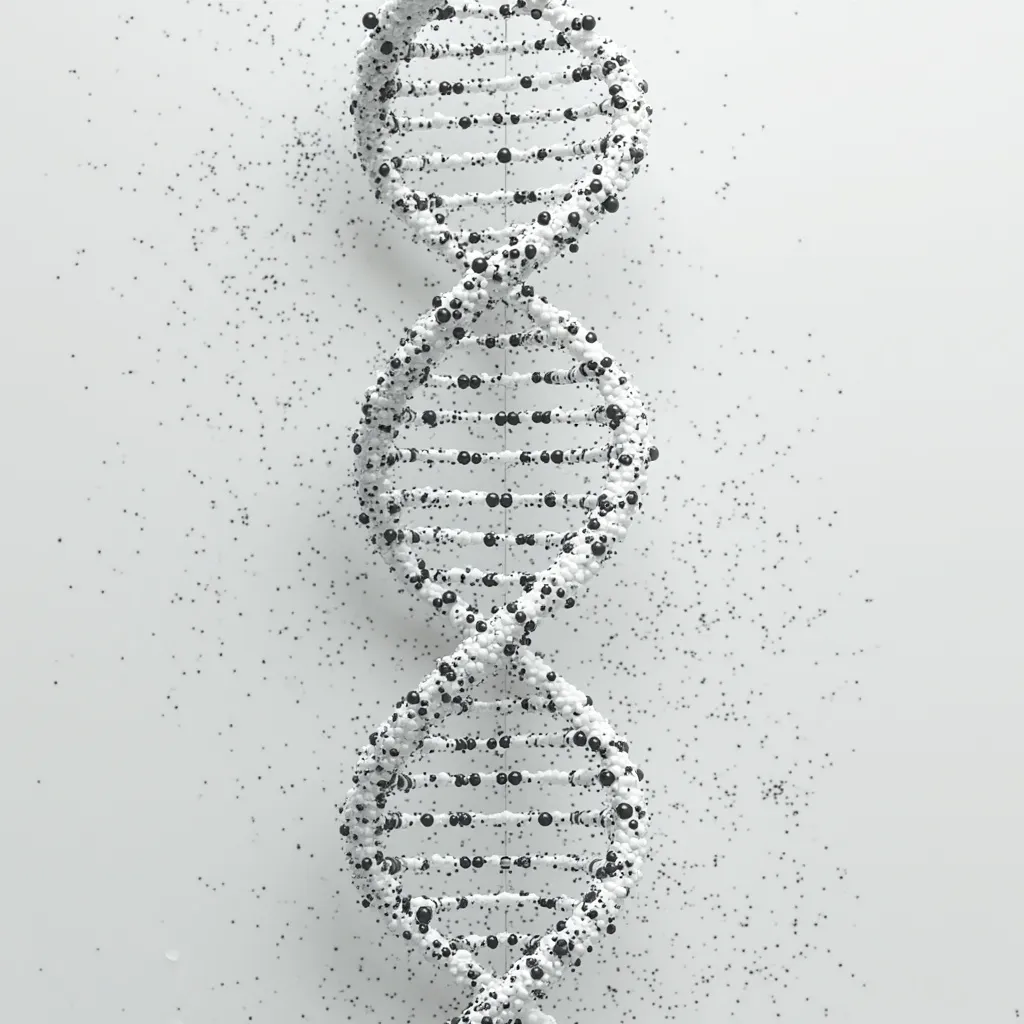
What Are Genetics: Understanding the Building Blocks of Life
Genetics, the study of genes, heredity, and variation in living organisms, is a cornerstone of biological understanding. It plays a critical role in revealing how traits are passed from one generation to the next. With advancements in technology, our comprehension of genetics continues to expand, offering insights into everything from inherited diseases to the mysteries of evolution.
The Basics of Genetics
At its core, genetics involves the study of genes, which are sections of DNA that contain the instructions for building proteins. DNA, or deoxyribonucleic acid, is the hereditary material in humans and almost all other organisms. It is composed of two long strands forming a double helix, and the sequence of its four bases (adenine, guanine, cytosine, and thymine) encodes genetic information.
Genes are located on chromosomes, structures within the cell nucleus. Humans typically have 23 pairs of chromosomes—22 pairs of autosomes and one pair of sex chromosomes (XX or XY). Each parent contributes one chromosome per pair, resulting in the genetic makeup of an individual.
Genetic Inheritance Patterns
Inheritance patterns describe how genetic traits are transmitted across generations. These include autosomal dominant, autosomal recessive, X-linked dominant, and X-linked recessive patterns:
- Autosomal Dominant: Only one copy of a gene with a mutation is necessary for the individual to exhibit the trait.
- Autosomal Recessive: Two copies of the mutated gene must be present for the trait to be expressed.
- X-linked Dominant and Recessive: These patterns involve genes located on the X chromosome, with inheritance varying between genders due to the presence of one or two X chromosomes.
The Role of Mutations
Mutations, changes in the DNA sequence, can occur naturally or due to environmental factors. They play a significant role in genetic diversity but can also lead to genetic disorders. Not all mutations result in disease; many are benign or even beneficial, contributing to evolutionary changes.
Applications of Genetic Science
Understanding genetics has practical applications in various fields:
- Medicine: By identifying genetic markers, scientists can predict the likelihood of diseases and develop personalized treatments. For instance, genetic testing can uncover potential health risks, allowing individuals to take preventive measures.
- Agriculture: Genetics is crucial in developing crop varieties that are more resistant to pests and environmental stress, enhancing food security.
- Forensics: DNA analysis is pivotal in criminal investigations, helping to identify individuals based on genetic evidence.
Genetic Testing and Personal DNA Exploration
With increased interest in personal genetics, services like ChatDNA offer individuals insights into their genetic makeup. By analyzing genetic data, these services can provide information on health and wellness, unearthing predispositions to conditions or traits that might otherwise go unnoticed. Users can leverage existing genetic data from major DNA testing companies to gain these insights without undergoing additional testing.
Uncommon Genetic Insights
One interesting aspect of genetics is the concept of epigenetics, which studies how environmental factors can influence gene expression without changing the underlying DNA sequence. Epigenetic changes can be temporary or last longer, potentially impacting health and disease susceptibility.
Conclusion
Genetics provides a framework for understanding the biological blueprint of life. By unraveling the complexities of genes and their functions, it is possible to address many scientific and medical challenges. As research in this field advances, the potential to improve human health and well-being continues to grow. Familiarity with genetic science not only enriches knowledge but also empowers individuals to make informed decisions about their health based on genetic insights.
What is ChatDNA?
ChatDNA can analyze your DNA to answer any question. When you ask a question it will provide clear explanations and meaningful insights about who you are at a genetic level.
You can import existing DNA results from all major services like 23andMe and AncestryDNA or purchase a new DNA test kit through ChatDNA.
ChatDNA is especially valuable for anyone interested in:
- Understanding how their genes influence health and wellness
- Learning about their unique genetic traits
- Discovering personalized insights about their biological characteristics
- Getting clear, conversational answers to their DNA-related questions
Ready to get answers about your DNA? Visit ChatDNA.co to get started.