Understanding Genetic Mutations
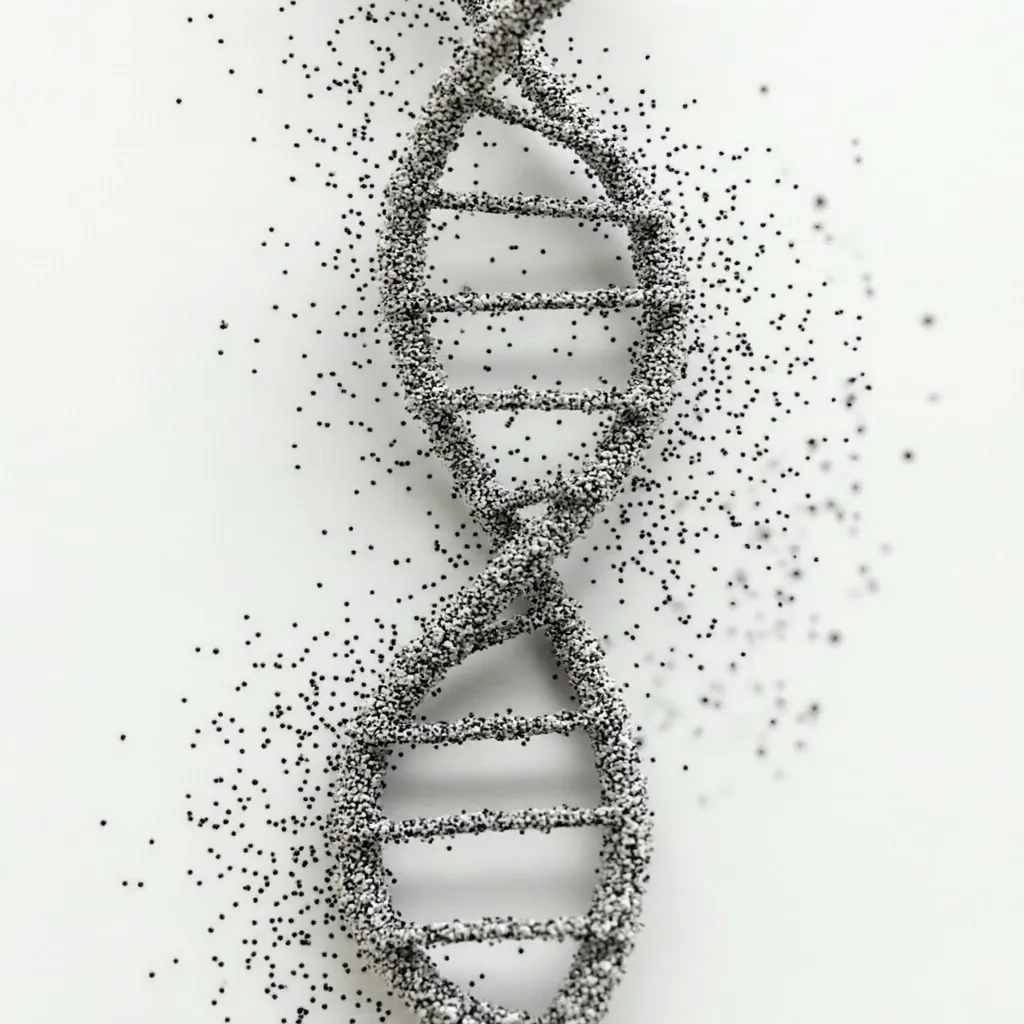
Genetic mutations are alterations in the DNA sequence that may occur naturally or due to environmental factors. These mutations are fundamental to the process of evolution, genetic diversity, and the development of certain diseases. Understanding genetic mutations provides insight into how genetic information is passed and how it can change over time.
What are Genetic Mutations?
Genetic mutations are changes in the nucleotide sequence of the genetic material of an organism. They can occur in any part of the DNA and may have varying effects on an organism. Some mutations may lead to noticeable changes in an organism's phenotype, while others might have no observable impact.
Types of Genetic Mutations
Genetic mutations can be classified into several categories, each affecting the DNA in different ways.
-
Point Mutations: These involve a single nucleotide base change, insertion, or deletion. A common type of point mutation is the substitution, where one base is replaced with another.
-
Frameshift Mutations: Occur from insertions or deletions of nucleotides in a DNA sequence, leading to a shift in the reading frame for the genetic code.
-
Copy Number Variations (CNVs): These involve changes in the number of copies of a particular gene or DNA segment. CNVs can lead to variations in the way genes are expressed.
-
Silent Mutations: These do not change the amino acid sequence of the encoded protein, often having no effect on the organism.
-
Missense and Nonsense Mutations: Missense mutations result in a different amino acid in the protein sequence, potentially altering protein function. Nonsense mutations create a premature stop codon, potentially truncating the protein.
Causes of Genetic Mutations
Mutations can be caused by various factors:
-
Spontaneous Mutations: Occur naturally due to errors during DNA replication or repair.
-
Induced Mutations: Result from exposure to environmental factors such as radiation, chemicals, or viruses.
-
Inherited Mutations: Passed from parents to offspring. These can lead to inherited genetic disorders.
Effects of Genetic Mutations
The effects of mutations vary widely depending on the nature of the mutation and its location in the genome:
-
Beneficial Mutations: Some mutations confer advantages, such as resistance to diseases. This is a key driver in the process of natural selection and evolution.
-
Neutral Mutations: Many mutations have no significant effect on an organism. These mutations can contribute to genetic diversity within a population.
-
Harmful Mutations: Some mutations lead to diseases or disorders, including cancer, cystic fibrosis, and sickle cell anemia.
Detection and Study of Genetic Mutations
The study of genetic mutations has advanced significantly with the development of various DNA testing technologies. These technologies aid in identifying mutations that might be linked to health conditions. Companies and services such as ChatDNA provide users the ability to analyze their genetic data, offering insights into potential health risks and traits.
Practical Tips for Understanding Your Genetic Information
If you're interested in learning more about your genetic makeup, consider the following:
-
DNA Testing Services: Utilize services that allow you to explore your genetic information. If you’ve previously used DNA testing services, companies like ChatDNA can reanalyze your existing data for health insights.
-
Consult Genetic Counselors: If you have concerns about potential genetic conditions, a genetic counselor can provide guidance based on your genetic profile and family history.
-
Stay Informed: Keep up with current research in genetics, as new discoveries can provide valuable understanding of genetic mutations and their impacts.
Uncommon Insights into Genetic Mutations
An intriguing area of research involves somatic mutations. Unlike germline mutations that are present in every cell and passed to offspring, somatic mutations occur in non-reproductive cells. These mutations can accumulate over an individual's lifetime, sometimes leading to cancer. Understanding somatic mutations offers potential for new cancer therapies and prevention strategies.
Awareness of genetic mutations not only enriches personal health knowledge but also enhances our understanding of biological processes and evolution. As science progresses, the capability to detect, interpret, and utilize genetic information continues to grow, leading to more personalized medical approaches and preventative measures.
What is ChatDNA?
ChatDNA can analyze your DNA to answer any question. When you ask a question it will provide clear explanations and meaningful insights about who you are at a genetic level.
You can import existing DNA results from all major services like 23andMe and AncestryDNA or purchase a new DNA test kit through ChatDNA.
ChatDNA is especially valuable for anyone interested in:
- Understanding how their genes influence health and wellness
- Learning about their unique genetic traits
- Discovering personalized insights about their biological characteristics
- Getting clear, conversational answers to their DNA-related questions
Ready to get answers about your DNA? Visit ChatDNA.co to get started.