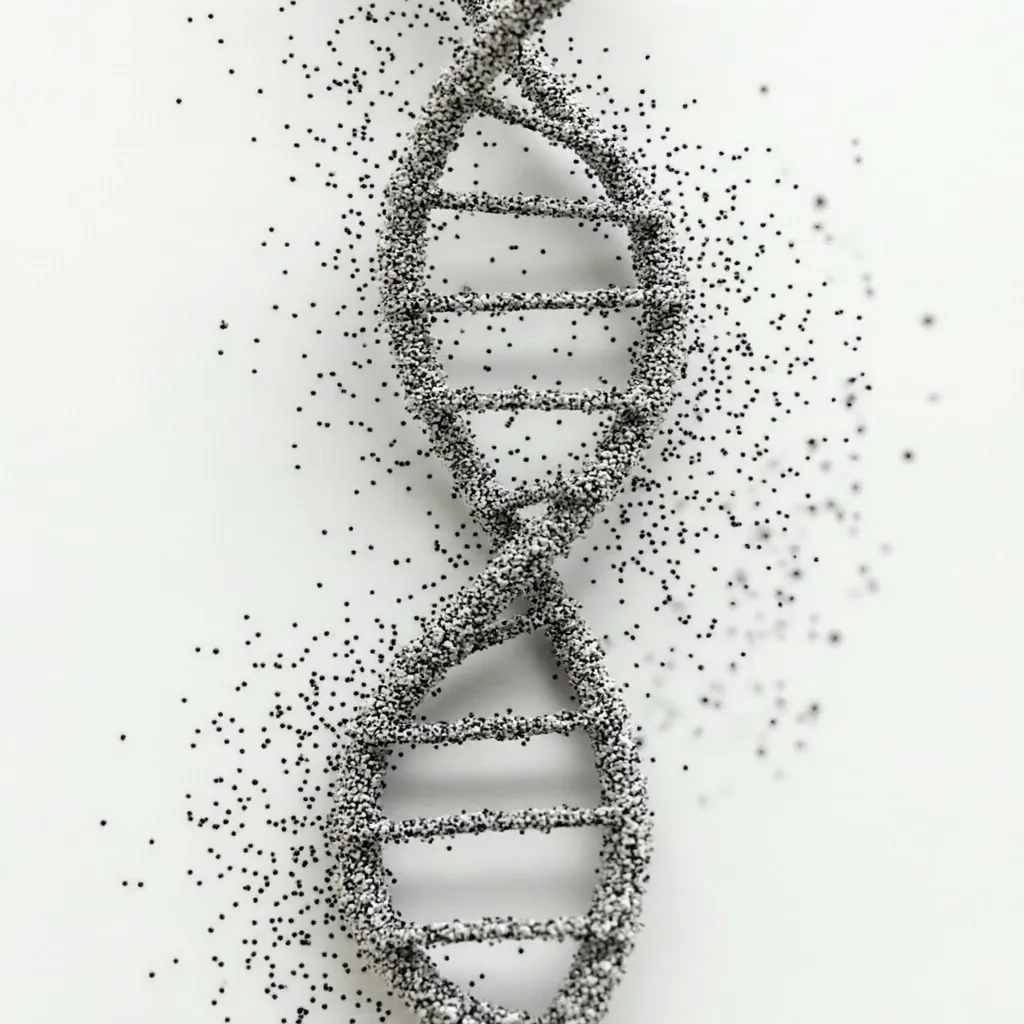
Exploring Genetic Mutation Understanding the Changes in DNA
Genetic mutations are alterations in the DNA sequence. These changes can lead to variations in gene expression or function, affecting an organism's traits and health. Understanding genetic mutations is crucial in fields such as medicine, biology, and genetics research, as it helps to comprehend the underlying mechanisms of genetic diseases and evolutionary processes.
What Are Genetic Mutations
Genetic mutations occur when there is a permanent alteration in the nucleotide sequence of a genome. This can happen in two main forms: germline mutations, which are inherited and occur in the egg or sperm cells, and somatic mutations, which are acquired and occur in other body cells. Mutations can be spontaneous due to errors in DNA replication, or induced by environmental factors, such as radiation or chemicals.
Types of Genetic Mutations
Mutations can be classified into several categories:
-
Point Mutations: Changes in a single nucleotide. These can be silent, missense, or nonsense mutations, depending on their impact on protein synthesis.
-
Insertions and Deletions (Indels): Additions or losses of nucleotide sequences. These can lead to frameshift mutations, altering the reading frame of the gene.
-
Copy Number Variations (CNVs): Changes in the number of copies of a particular gene, which can influence gene expression.
-
Chromosomal Mutations: Large-scale changes involving segments of chromosomes. These include duplications, inversions, translocations, and deletions.
The Role of Genetic Mutations in Evolution and Disease
Genetic mutations are a driving force of evolution, providing the genetic diversity on which natural selection acts. They can result in advantageous traits that improve an organism's survival and reproduction, or disadvantageous traits that lead to diseases. For example, mutations in tumor suppressor genes can lead to cancer, while mutations in hemoglobin genes can cause sickle cell anemia.
Detection and Analysis of Genetic Mutations
Identifying genetic mutations is vital for diagnosing genetic disorders and developing targeted therapies. Advanced techniques such as Next-Generation Sequencing (NGS) allow for comprehensive analysis of an individual's genome. This technology is used by DNA testing companies, including ChatDNA, that enable users to explore their genetic health risks and wellness insights. These services do not trace ancestry but focus on health-related genetic information.
Lesser-Known Aspects of Genetic Mutations
A less commonly known consequence of mutations is their role in antibiotic resistance. Bacteria can acquire mutations that render antibiotics ineffective, posing significant challenges for public health. Moreover, genetic mutations have been discovered in regulatory regions of the genome, highlighting their potential impact on gene expression without altering protein-coding regions.
Implications for Personalized Medicine
The study of genetic mutations is fundamental to personalized medicine, which aims to tailor medical treatment to an individual's genetic profile. Understanding specific mutations can help in predicting disease susceptibility and drug response, leading to more effective and personalized therapeutic strategies.
Conclusion
Genetic mutations play a critical role in both the continuity and variation of life. From driving evolutionary change to contributing to various diseases, understanding these alterations in DNA is essential for advancements in medicine and biology. Through advanced genomic analysis and research, we can gain deeper insights into the complexities of genetic mutations and their wide-ranging implications.
What is ChatDNA?
ChatDNA can analyze your DNA to answer any question. When you ask a question it will provide clear explanations and meaningful insights about who you are at a genetic level.
You can import existing DNA results from all major services like 23andMe and AncestryDNA or purchase a new DNA test kit through ChatDNA.
ChatDNA is especially valuable for anyone interested in:
- Understanding how their genes influence health and wellness
- Learning about their unique genetic traits
- Discovering personalized insights about their biological characteristics
- Getting clear, conversational answers to their DNA-related questions
Ready to get answers about your DNA? Visit ChatDNA.co to get started.