Understanding Genetic Material
Delve deep into the nature of genetic material to discover how it forms the foundation of all life, guides cellular functions, and plays a crucial role in advancing modern sciences.
What is Genetic Material
Genetic material is the medium through which hereditary information is passed from one generation to the next. It is primarily composed of nucleic acids—DNA and RNA. This material resides in every living organism and is vital for growth, functioning, and reproduction.
DNA and RNA
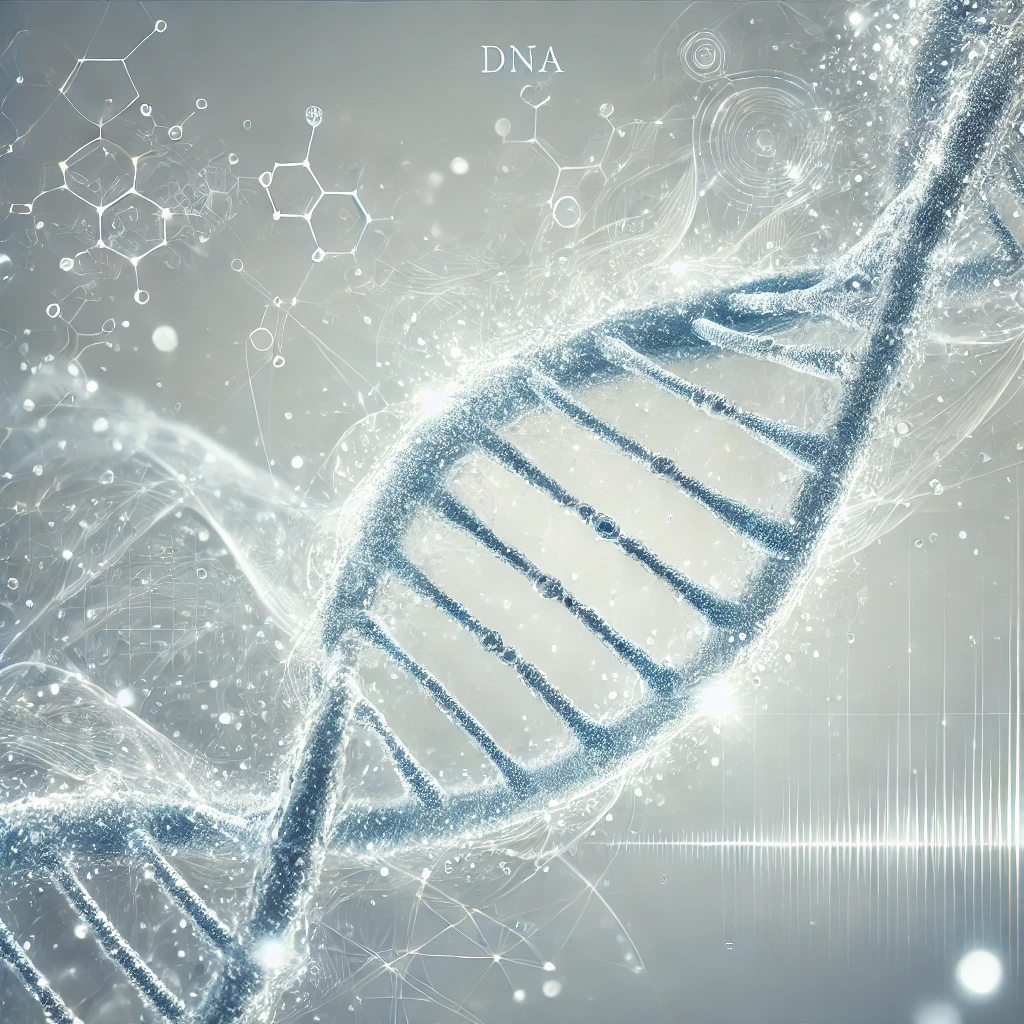
DNA (deoxyribonucleic acid) and RNA (ribonucleic acid) are the primary types of genetic material. DNA contains the instructions necessary for a cell to function and replicate. It consists of two long strands that form a double helix. RNA works closely with DNA to translate these instructions into proteins that perform various functions within the organism.
Structure of DNA
DNA is composed of four nucleotide bases: adenine (A), thymine (T), cytosine (C), and guanine (G). These bases pair in specific ways: adenine with thymine and cytosine with guanine. The sequence of these bases encodes genetic information.
Types of RNA
There are several types of RNA with specific roles. Messenger RNA (mRNA) conveys genetic information from DNA to the ribosome, where it is used to synthesize proteins. Ribosomal RNA (rRNA) and transfer RNA (tRNA) work within the ribosome to assemble amino acids into proteins, following the instructions carried by mRNA.
Genetic Material and Variation
Genetic material is not static. Mutations, or changes in the nucleotide sequence, can occur due to environmental factors or errors during DNA replication. These mutations can lead to genetic variation, which is essential for evolution and adaptation to new environments.
Extraction and Analysis of Genetic Material
Extracting and analyzing genetic material is fundamental to understanding its role in various biological processes. DNA can be isolated from blood, saliva, or other tissues using chemical processes. Once extracted, techniques such as polymerase chain reaction (PCR) are used to amplify specific DNA segments for detailed study.
Applications in Health and Technology
Advances in DNA analysis have led to significant applications in health care and technology. Genetic testing services like ChatDNA allow individuals to gain insights into their health and wellness by analyzing their DNA. These services utilize data from various suppliers to provide personalized information regarding potential health risks and recommendations.
Less Common Insights on Genetic Material
A lesser-known fact about genetic material is its role in epigenetics, which studies changes in gene activity that do not involve alterations to the DNA sequence itself. Epigenetic mechanisms, such as DNA methylation and histone modification, can influence how genes are expressed, affecting an organism's development and potential for disease. These changes can sometimes be reversible and are a focus of ongoing research into new therapeutic methods.
Conclusion
Genetic material forms the blueprint of all living organisms, guiding development, maintaining bodily functions, and allowing reproduction. By understanding and analyzing DNA and RNA, researchers can unlock the mysteries of genetics, leading to breakthroughs in medicine and biotechnology. With services like ChatDNA, individuals can explore their genetic material to improve health and wellness outcomes. Advances in genetic science continue to illuminate the intricacies of life and the unique biological makeup of each individual.
What is ChatDNA?
ChatDNA can analyze your DNA to answer any question. When you ask a question it will provide clear explanations and meaningful insights about who you are at a genetic level.
You can import existing DNA results from all major services like 23andMe and AncestryDNA or purchase a new DNA test kit through ChatDNA.
ChatDNA is especially valuable for anyone interested in:
- Understanding how their genes influence health and wellness
- Learning about their unique genetic traits
- Discovering personalized insights about their biological characteristics
- Getting clear, conversational answers to their DNA-related questions
Ready to get answers about your DNA? Visit ChatDNA.co to get started.