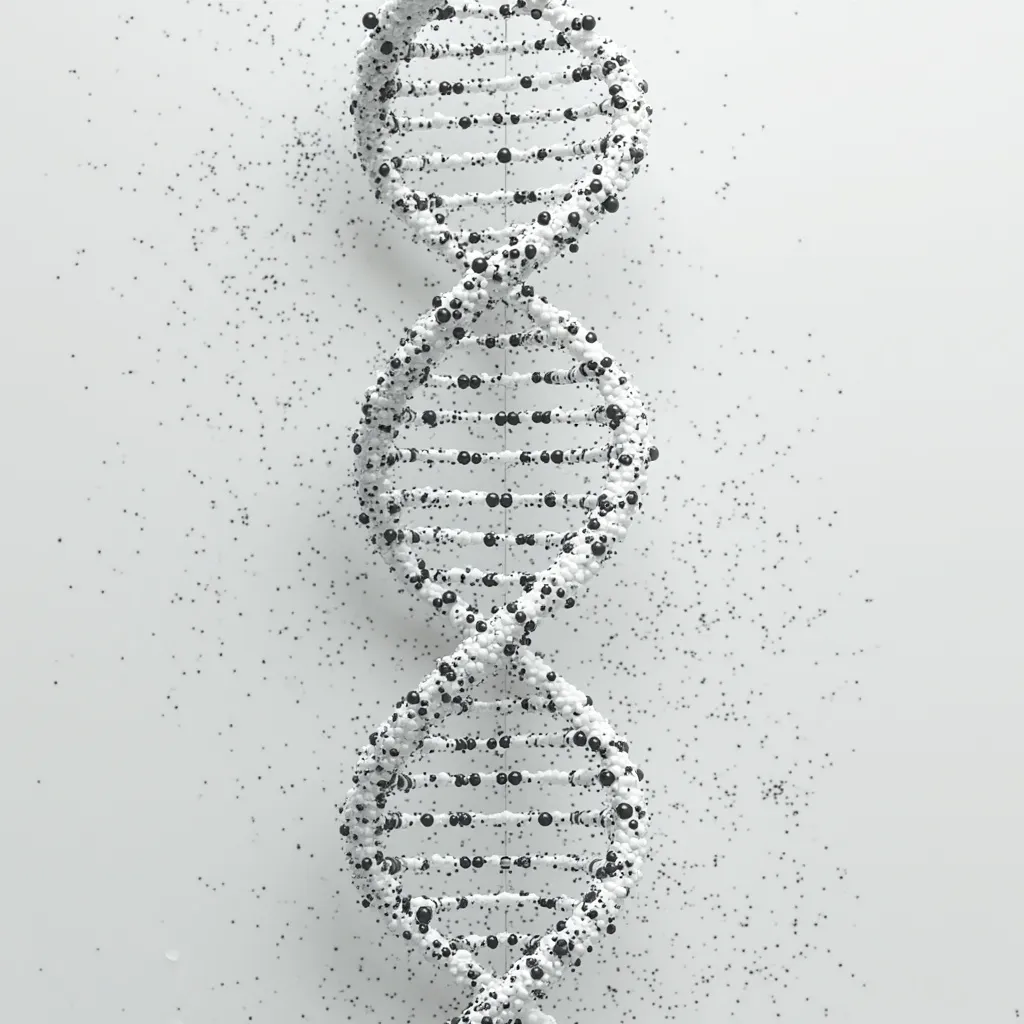
Understanding Genetic Diversity
Genetic diversity is a foundational concept in biology that refers to the total number of genetic characteristics in the genetic makeup of a species. It is crucial for the survival and adaptability of species. By understanding genetic diversity, we gain insights into the resilience of ecosystems, the health of populations, and the implications for conservation efforts. This article will explore the importance of genetic diversity, its impact on ecosystems, and how modern technology can help us gain further insights.
Importance of Genetic Diversity
At the heart of genetic diversity is the variation in genes within species. This variation is essential for populations to adapt to changing environments. Without genetic diversity, a population may not withstand diseases or environmental changes, leading to decline or extinction. Greater diversity allows populations to evolve over time, increasing their chances of survival.
In agriculture, genetic diversity can lead to disease-resistant crops or even increase nutritional value. Farmers rely on a variety of genetic traits to cultivate plants that can endure pests and harsh climate conditions. Thus, preserving genetic diversity in crop species supports food security and sustainability.
Impact on Ecosystems
Genetic diversity affects not only individual species but entire ecosystems. Varied genetic traits within species can influence ecological relationships and interactions. It supports ecosystem services such as pollination, nutrient cycling, and soil formation. High genetic diversity within species helps maintain ecosystem stability by ensuring that ecosystems can recover from disturbances such as fires or hurricanes.
Genetic Diversity in Humans
In humans, genetic diversity plays a role in health and disease. Certain genetic variations can influence susceptibility to diseases or responses to environmental factors. Understanding genetic diversity allows for advancements in personalized medicine. Knowing the genetic variations in human populations can help develop targeted therapies or preventive measures tailored to specific genetic profiles.
Various companies, including ChatDNA, have made it possible for people to explore their genetic makeup. These services analyze DNA to offer insights into health and wellness, giving users a better understanding of their genetic diversity without delving into ancestry.
Conservation and Genetic Diversity
Human activities, such as deforestation and habitat destruction, have reduced genetic diversity in many species. Conservation biology prioritizes the maintenance of genetic diversity as it is vital for species' long-term survival. Conservationists use genetic information to design strategies for breeding programs, habitat restoration, and preservation of endangered species. Efforts are being made globally to conserve genetic resources and protect biodiversity.
Technological Advances and Genetic Insights
Advances in DNA sequencing and bioinformatics have revolutionized our understanding of genetic diversity. Researchers can now analyze vast amounts of genetic data to study population genetics, track migration patterns, and study evolutionary processes. Genetic sequencing technology aids conservation efforts by assessing the genetic health of populations, informing breeding programs, and identifying genetically important individuals for conservation.
One lesser-known application of genetic diversity studies is in understanding climate change adaptation. By examining the genetic traits that allow species to survive in extreme conditions, scientists can predict how species may adapt to climate changes.
Conclusion
Genetic diversity is a critical aspect of life on Earth, influencing the adaptability and resilience of species and ecosystems. As we face environmental challenges and health crises, understanding and preserving genetic diversity becomes increasingly important. Technological advancements allow us to explore the intricacies of genetic variation, offering opportunities to enhance conservation efforts and improve human health. By recognizing the significance of genetic diversity, we can take informed steps to protect the natural world and ensure the longevity of species, including our own.
What is ChatDNA?
ChatDNA can analyze your DNA to answer any question. When you ask a question it will provide clear explanations and meaningful insights about who you are at a genetic level.
You can import existing DNA results from all major services like 23andMe and AncestryDNA or purchase a new DNA test kit through ChatDNA.
ChatDNA is especially valuable for anyone interested in:
- Understanding how their genes influence health and wellness
- Learning about their unique genetic traits
- Discovering personalized insights about their biological characteristics
- Getting clear, conversational answers to their DNA-related questions
Ready to get answers about your DNA? Visit ChatDNA.co to get started.