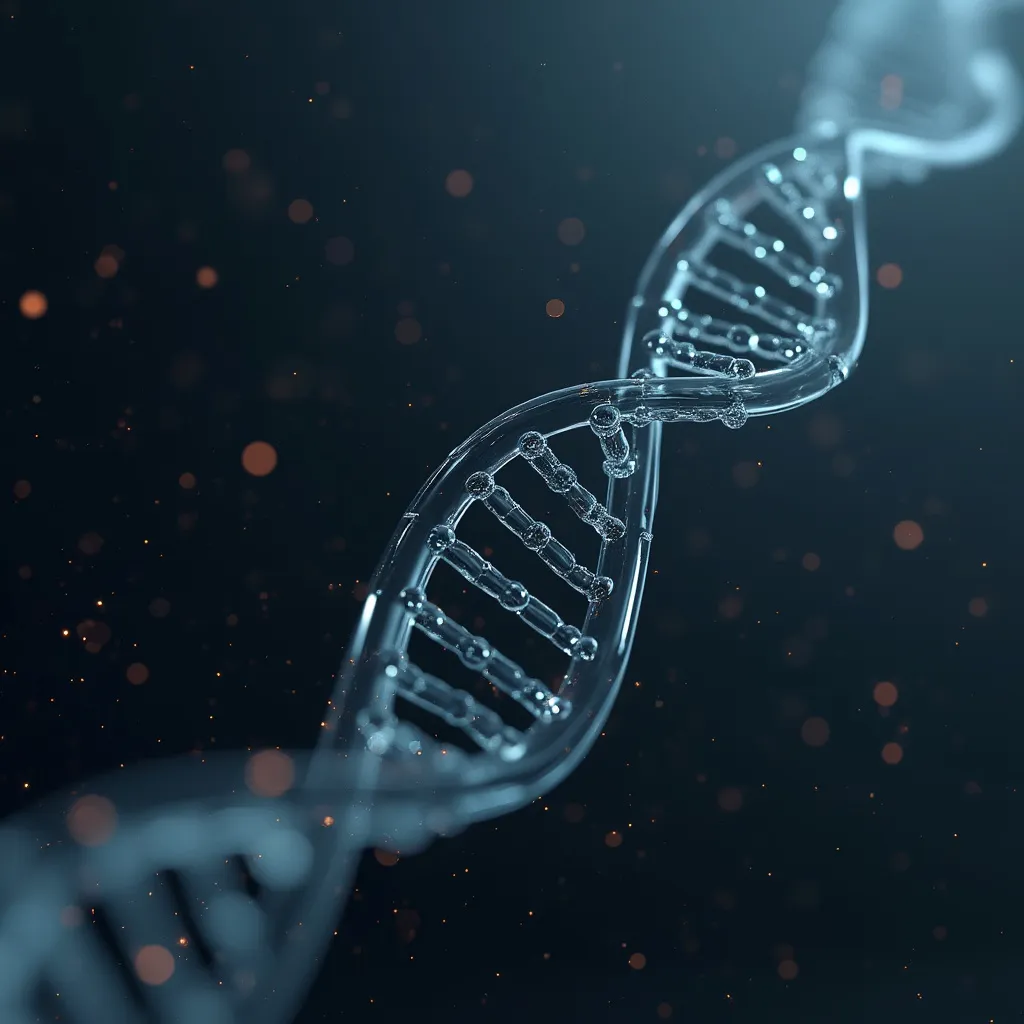
Understanding Genetic Biodiversity and Its Importance
Genetic biodiversity is a critical component of ecosystems that refers to the variation of genes within species. This diversity provides resistance to diseases, adapts to changing environments, and evolves new traits. Understanding the significance of genetic biodiversity and the role it plays helps us appreciate and protect the natural world.
The Basics of Genetic Biodiversity
Genetic biodiversity refers to the variety in the genes of a single species or population. These variations occur because different individuals have different alleles, or forms of genes. This genetic variation allows populations to adapt to new environments and resist pressures such as diseases or climate changes. With greater genetic diversity, species have a better chance of survival.
The Role of Genetic Biodiversity in Ecosystems
Ecosystems with high genetic diversity are generally more resilient. Genetic diversity within species ensures that if environmental changes or diseases occur, some individuals might possess genetic traits that allow survival. This resilience can be seen in agricultural practices where diverse crop varieties are cultivated to protect against widespread crop failure. Natural ecosystems also benefit, as wildlife populations with high genetic diversity are less vulnerable to extinction events.
Genetic Biodiversity and Evolution
The process of natural selection relies heavily on genetic biodiversity. Members of a species compete, and those with advantageous traits are more likely to reproduce, passing those traits to future generations. Over time, this can lead to new species adapted to specific environmental niches. Genetic biodiversity is the raw material for evolution.
Human Impact on Genetic Biodiversity
Human activities, including habitat destruction, pollution, and climate change, significantly impact genetic biodiversity. Overexploitation of resources can reduce genetic variation within species. Conservation efforts aim to preserve genetic diversity by protecting natural habitats and promoting sustainable practices.
Techniques to Study Genetic Biodiversity
Studying genetic biodiversity involves analyzing genetic material to understand the variation within and between species. Technologies such as DNA sequencing allow researchers to explore genetic diversity on a molecular level. Organizations like ChatDNA offer services to analyze genetic data, providing insights into health and wellness rather than ancestry.
The Importance of Genetic Diversity in Domesticated Species
Genetic biodiversity is crucial not only in wild species but also in domesticated plants and animals. Selective breeding has often reduced genetic diversity, leaving crops and livestock vulnerable to pests and diseases. Efforts to maintain genetic diversity in domesticated species include creating seed banks and conserving heritage breeds.
The Role of Databases in Conserving Genetic Biodiversity
Genetic databases store information on genetic diversity across the world. These databases are vital for conservation efforts, allowing scientists to assess genetic health and variability. They facilitate international collaboration to protect endangered species by identifying at-risk populations and supporting breeding programs.
Learning More About Personal Genetic Diversity
Individuals can explore their genetic makeup through DNA analysis services. ChatDNA enables users to gain insights into their DNA, focusing on health and wellness. Understanding one's genetic predispositions can promote proactive management of personal health and encourage awareness of genetic biodiversity.
Conclusion
Genetic biodiversity is integral to the health and survival of species worldwide. It provides resilience against environmental pressures and is the foundation of evolutionary processes. Understanding and preserving genetic biodiversity is crucial for maintaining the balance of ecosystems and ensuring the sustainability of natural resources. Ongoing research and technological advancements continue to enhance our understanding of genetic diversity, emphasizing the necessity of global conservation efforts.
What is ChatDNA?
ChatDNA can analyze your DNA to answer any question. When you ask a question it will provide clear explanations and meaningful insights about who you are at a genetic level.
You can import existing DNA results from all major services like 23andMe and AncestryDNA or purchase a new DNA test kit through ChatDNA.
ChatDNA is especially valuable for anyone interested in:
- Understanding how their genes influence health and wellness
- Learning about their unique genetic traits
- Discovering personalized insights about their biological characteristics
- Getting clear, conversational answers to their DNA-related questions
Ready to get answers about your DNA? Visit ChatDNA.co to get started.