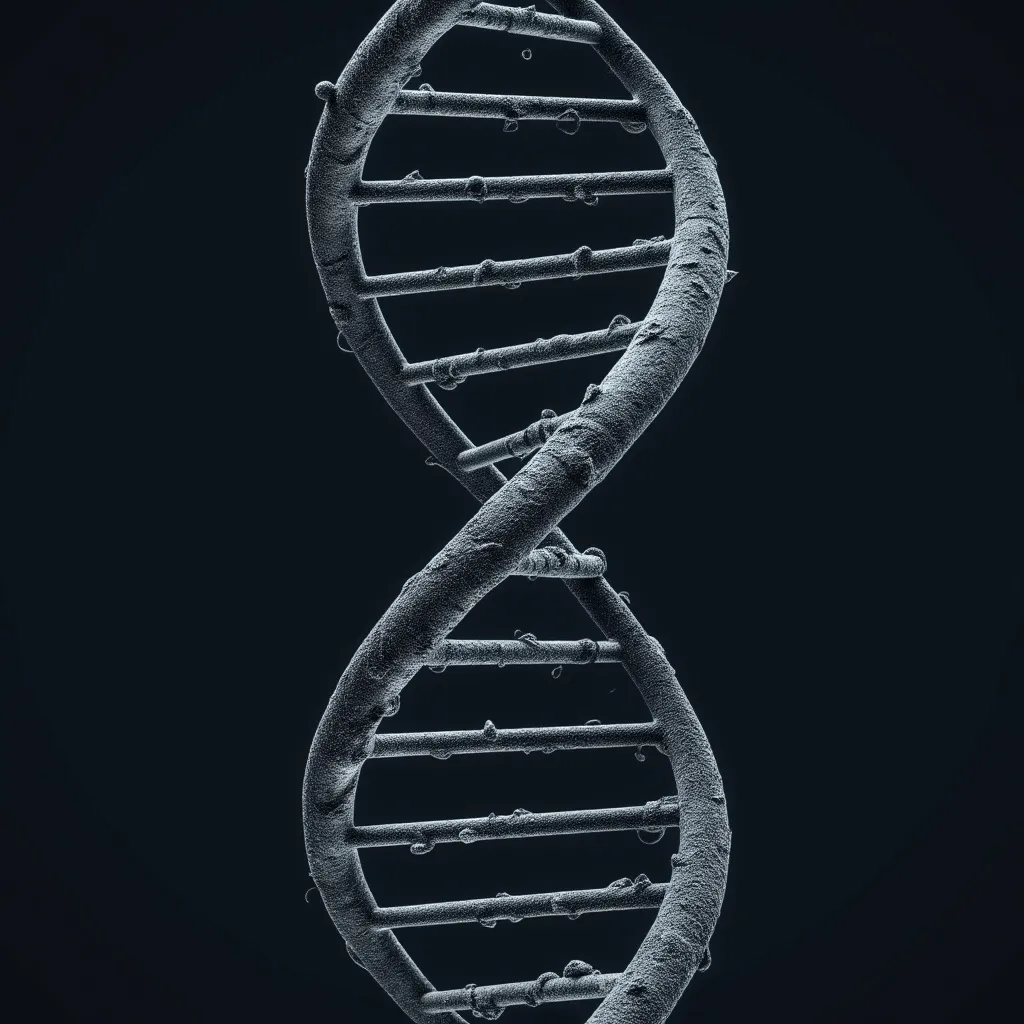
Exploring DNA Test Genealogy: Understanding Your Genetic Roots
Unlocking the intricate web of ancestry through DNA test genealogy offers a comprehensive look into our shared and unique histories. This powerful innovation has empowered millions to uncover ancestral ties and better understand their origins. In this article, we delve into the depths of DNA testing for genealogy, discussing how it works, its uses, and tips for getting started.
How DNA Test Genealogy Works
DNA test genealogy primarily utilizes autosomal DNA testing to provide insights into one's ancestral background. This test examines many points across all 22 of your autosomal chromosomes, offering a wide-ranging view of heritage. Autosomal tests are effective for revealing relationships up to six to eight generations back, spanning both maternal and paternal lines equally.
Key companies offering these tests analyze markers in your DNA that are indicative of certain ethnic backgrounds. By comparing these markers against vast databases, they can estimate the geographic regions from which your ancestors likely originated.
Types of DNA Tests Used in Genealogy
Three principal types of DNA tests are used in genealogy: autosomal, Y-DNA, and mitochondrial DNA (mtDNA) tests. Each type serves distinct purposes:
-
Autosomal DNA Test: This is the most popular and widely used in genealogy testing. It can provide ethnicity estimates and identify relatives across both maternal and paternal lines.
-
Y-DNA Test: This test analyzes genetic material on the Y chromosome, passed directly from father to son, and can be used to trace direct paternal lines. It is particularly useful for surname studies.
-
mtDNA Test: Mitochondrial DNA is passed from mothers to their children unchanged. Testing mtDNA can trace direct maternal ancestry and is less about ethnicity percentages.
Benefits and Limitations of DNA Genealogy Tests
DNA testing for genealogy provides several benefits, including discovering relatives you might not have known about, verifying historical family connections, and filling in gaps within family trees. It can complement traditional genealogical research, potentially leading to new findings.
However, there are limitations. While these tests can identify potential regions of origin, they often lack the granularity to pinpoint specific locations. Estimates may vary due to the algorithms and databases differing between companies. Additionally, lineage testing for direct paternal or maternal lines can only follow one branch of the family tree at a time, providing limited scope.
Privacy and Ethical Considerations
Privacy is a significant concern with DNA testing for genealogy. Customers should thoroughly understand the terms of service of DNA testing companies to know how their genetic information will be used and stored. Some companies offer the option to opt out of certain data-sharing practices, but it’s important to read the fine print.
Knowing genetic information can also come with ethical dilemmas, particularly if testing reveals unexpected family relationships or unknown health information. It's crucial to approach DNA testing for genealogy with an understanding of these potential outcomes.
Getting Started with DNA Genealogy Testing
Before starting, consider what you hope to learn. Clarifying your goals can guide which type of test to use and what services could best meet your needs. Many companies, including ChatDNA, provide options to utilize existing DNA data to delve deeper into specific areas like health and wellness insights. Although not all services provide ancestry information, they can analyze genetic data for other important uses.
When selecting a testing company, research their privacy policies, data usage, and customer reviews. Consider reaching out to genealogy forums or online communities for recommendations based on experiences similar to yours.
Finally, once your results are returned, take the time to review and understand them. Most companies offer tools and resources to aid in this process, which can augment your genealogical research.
Harnessing DNA for a Broader Understanding
While DNA test genealogy reveals much about where we come from, it is part of a larger picture. Combining genetic insights with traditional records can lead to a more nuanced understanding of family history. As scientific advancements continue, the potential of DNA in genealogy will expand, providing even deeper historical connections and personal insights. By approaching DNA testing with mindfulness and curiosity, individuals can uncover a wealth of information about their ancestral heritage.
What is ChatDNA?
ChatDNA can analyze your DNA to answer any question. When you ask a question it will provide clear explanations and meaningful insights about who you are at a genetic level.
You can import existing DNA results from all major services like 23andMe and AncestryDNA or purchase a new DNA test kit through ChatDNA.
ChatDNA is especially valuable for anyone interested in:
- Understanding how their genes influence health and wellness
- Learning about their unique genetic traits
- Discovering personalized insights about their biological characteristics
- Getting clear, conversational answers to their DNA-related questions
Ready to get answers about your DNA? Visit ChatDNA.co to get started.