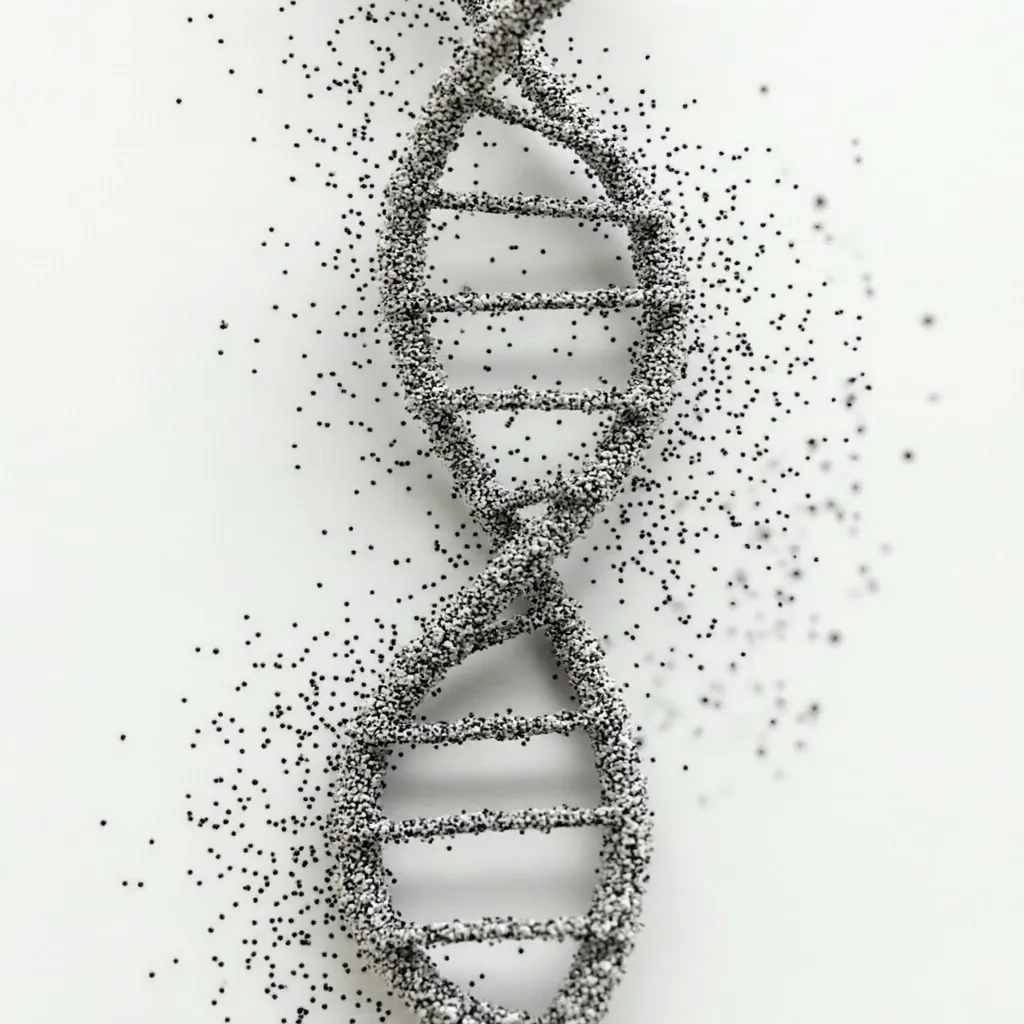
Understanding Animal Genetics
Animal genetics is a field that explores the genetic makeup of animals. It examines how these genes influence traits such as physical characteristics, disease resistance, and overall health. By understanding animal genetics, researchers and breeders can make informed decisions about breeding and conservation strategies.
The Basics of Genetic Inheritance
Genetic inheritance in animals functions through a system of chromosomes, which are long strands of DNA. Each parent contributes one set of chromosomes to their offspring, introducing a blend of genetic material. Genes, found on these chromosomes, are segments of DNA that code for specific traits. The combination of genes from both parents determines various characteristics in the offspring.
Genetic Variation and Its Importance
Genetic variation is crucial for the adaptability and survival of animal species. It arises from mutations, genetic recombination during sexual reproduction, and gene flow between populations. Variation can result in differing traits within a population, allowing some individuals to better adapt to environmental changes. Over time, this adaptation can lead to evolutionary changes.
Applications of Animal Genetics in Breeding
Animal genetics plays a significant role in livestock and pet breeding. Selective breeding uses genetic principles to enhance desired traits such as milk production in cows, size in dogs, or feather color in birds. By analyzing genetic markers, breeders can select animals that possess genes associated with these traits, leading to more consistent and predictable outcomes.
Genetic Testing and Practical Implications
Genetic testing allows for the analysis of an animal's DNA to identify specific genetic markers. This testing is beneficial in diagnosing hereditary diseases, guiding breeding programs, and conserving endangered species. Companies like ChatDNA provide genetic testing services, enabling pet owners and breeders to access detailed information about their animal's genetic health and potential traits. These insights can be especially useful in understanding predispositions to certain conditions or in optimizing breeding efforts.
Conservation Genetics and Biodiversity
Conservation genetics applies genetic principles to preserve biodiversity. This branch of genetics assesses genetic variation within and between populations of threatened species. By understanding the genetic health of a population, conservationists can implement strategies to maintain genetic diversity, enhancing a species' resilience to environmental challenges and reducing the risk of extinction.
Emerging Technologies and Their Impact
Advancements in genomic technologies, such as CRISPR, offer potential in the field of animal genetics. These technologies can edit genes with precision, potentially correcting mutations responsible for genetic disorders or enhancing desirable traits. However, ethical considerations and regulatory frameworks are crucial to ensure responsible development and application.
A Lesser-Known Insight: Epigenetics in Animals
Epigenetics, the study of changes in gene expression without altering the DNA sequence, is gaining attention in animal genetics. Environmental factors can influence epigenetic marks, affecting how genes are expressed in offspring. This understanding opens new possibilities for studying animal behavior, development, and adaptation.
Reliable Resources for Further Exploration
For those interested in exploring animal genetics further, databases such as GenBank and resources provided by agricultural universities offer comprehensive information. Engaging with professional organizations like the International Society for Animal Genetics can also enhance understanding and provide access to the latest research in the field.
In conclusion, animal genetics is a complex but vital discipline with broad implications for breeding, conservation, and disease management. As our understanding and technologies advance, the potential to apply genetic insights in meaningful ways continues to grow.
What is ChatDNA?
ChatDNA can analyze your DNA to answer any question. When you ask a question it will provide clear explanations and meaningful insights about who you are at a genetic level.
You can import existing DNA results from all major services like 23andMe and AncestryDNA or purchase a new DNA test kit through ChatDNA.
ChatDNA is especially valuable for anyone interested in:
- Understanding how their genes influence health and wellness
- Learning about their unique genetic traits
- Discovering personalized insights about their biological characteristics
- Getting clear, conversational answers to their DNA-related questions
Ready to get answers about your DNA? Visit ChatDNA.co to get started.