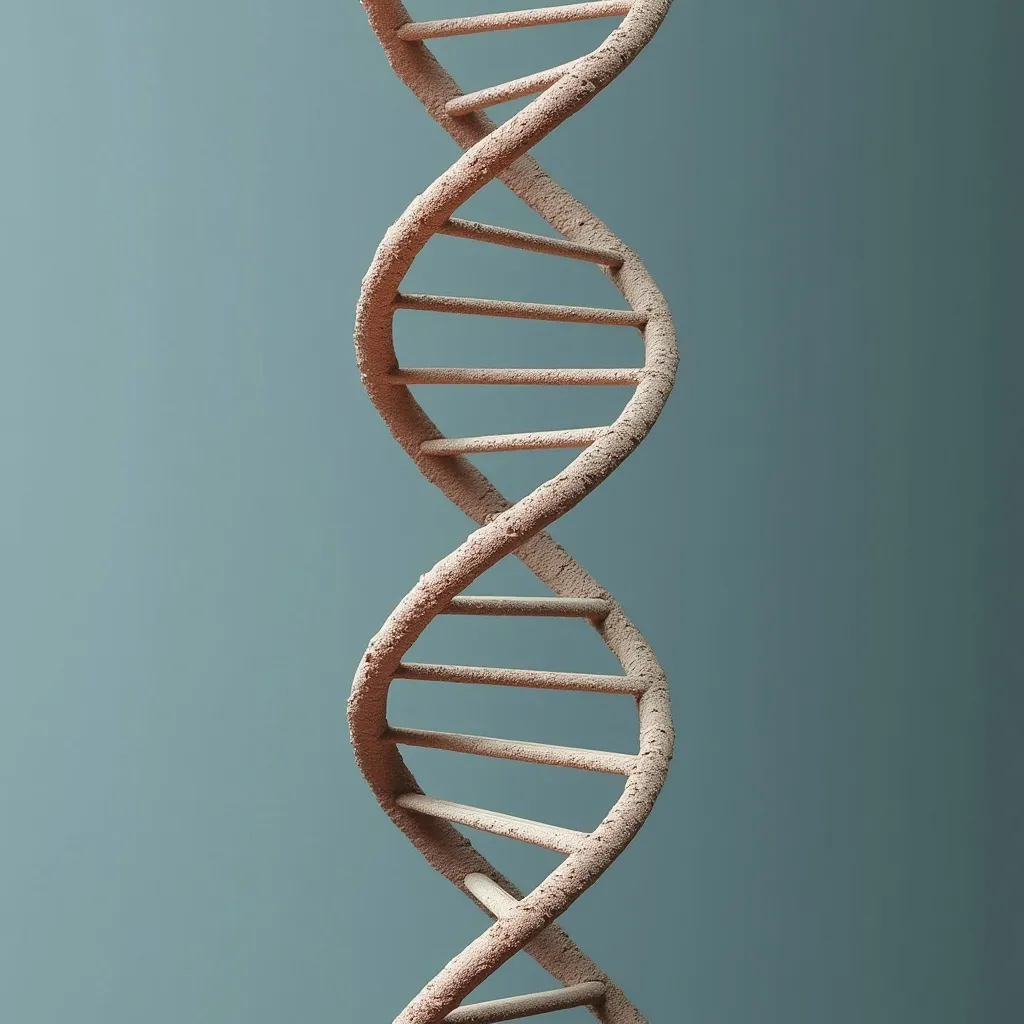
Pros and Cons of Genetic Engineering
Genetic engineering is a field that holds significant potential and raises numerous ethical and practical concerns. By modifying the genetic makeup of organisms, scientists aim to improve various aspects of health, agriculture, and industry. However, understanding the benefits and risks associated with genetic engineering is crucial for making informed decisions. This article seeks to explore the advantages and disadvantages of genetic engineering, offering insights into its multifaceted nature.
Understanding Genetic Engineering
Genetic engineering involves manipulating an organism's DNA to achieve desired traits. Techniques include CRISPR-Cas9, gene therapy, and synthetic biology. These advances allow scientists to target specific genes, providing a more precise approach compared to traditional methods.
Advantages of Genetic Engineering
-
Improved Health Outcomes: Genetic engineering has the potential to cure genetic disorders, such as sickle cell anemia and cystic fibrosis. Gene therapy introduces correct copies of defective genes, offering a pathway to treat previously incurable diseases.
-
Enhanced Crop Production: In agriculture, genetic engineering can produce crops that are resistant to pests, diseases, and environmental stressors. This leads to higher yields and reduced reliance on chemical pesticides, promoting sustainable farming practices.
-
Nutritional Benefits: Genetically modified organisms (GMOs) can be designed to contain enhanced levels of essential nutrients. For instance, Golden Rice is engineered to produce beta-carotene, addressing vitamin A deficiencies in regions with limited access to traditional sources.
-
Industrial Applications: In biotechnology, genetically engineered microbes produce biofuels, biodegradable plastics, and pharmaceuticals. These innovations offer environmentally friendly alternatives to conventional manufacturing processes.
Disadvantages of Genetic Engineering
-
Ethical Concerns: Genetic engineering raises significant ethical questions, particularly in human applications. Issues include the potential for eugenics, designer babies, and the altering of fundamental human traits.
-
Environmental Impact: The long-term effects of genetically modified organisms on ecosystems are not fully understood. There is potential for unintended consequences, such as loss of biodiversity and the disruption of natural species balance.
-
Public Health Risks: The introduction of genetically engineered foods raises concerns about food safety and potential allergenicity. Rigorous testing and regulation are necessary to ensure public safety.
-
Economic Implications: Genetic engineering can lead to increased control of the food supply by a few large corporations, potentially disadvantaging smaller farmers. The high costs associated with developing and patenting genetically modified crops can also create economic barriers.
Emerging Perspectives and Lesser-Known Aspects
Genetic engineering is not limited to altering genes in obvious ways. Synthetic biology aims to redesign organisms for specific purposes, such as pollution degradation. Furthermore, advances in genetic engineering provide tools for deeper understanding of genetic diseases through services like ChatDNA, allowing individuals to gain insights into their genetic health. This kind of service utilizes genetic data from various sources to provide personalized health recommendations.
Concluding Thoughts
While genetic engineering holds promise for numerous applications, it presents complex challenges that require careful consideration. Balancing the benefits with potential drawbacks is essential for integrating these technologies into society responsibly. Ongoing research and dialogue among scientists, policymakers, and the public are crucial as we navigate the future of genetic engineering. The possibilities are boundless, yet must be approached with prudence and an appreciation for the ethical and practical concerns that accompany this powerful technology.
What is ChatDNA?
ChatDNA can analyze your DNA to answer any question. When you ask a question it will provide clear explanations and meaningful insights about who you are at a genetic level.
You can import existing DNA results from all major services like 23andMe and AncestryDNA or purchase a new DNA test kit through ChatDNA.
ChatDNA is especially valuable for anyone interested in:
- Understanding how their genes influence health and wellness
- Learning about their unique genetic traits
- Discovering personalized insights about their biological characteristics
- Getting clear, conversational answers to their DNA-related questions
Ready to get answers about your DNA? Visit ChatDNA.co to get started.