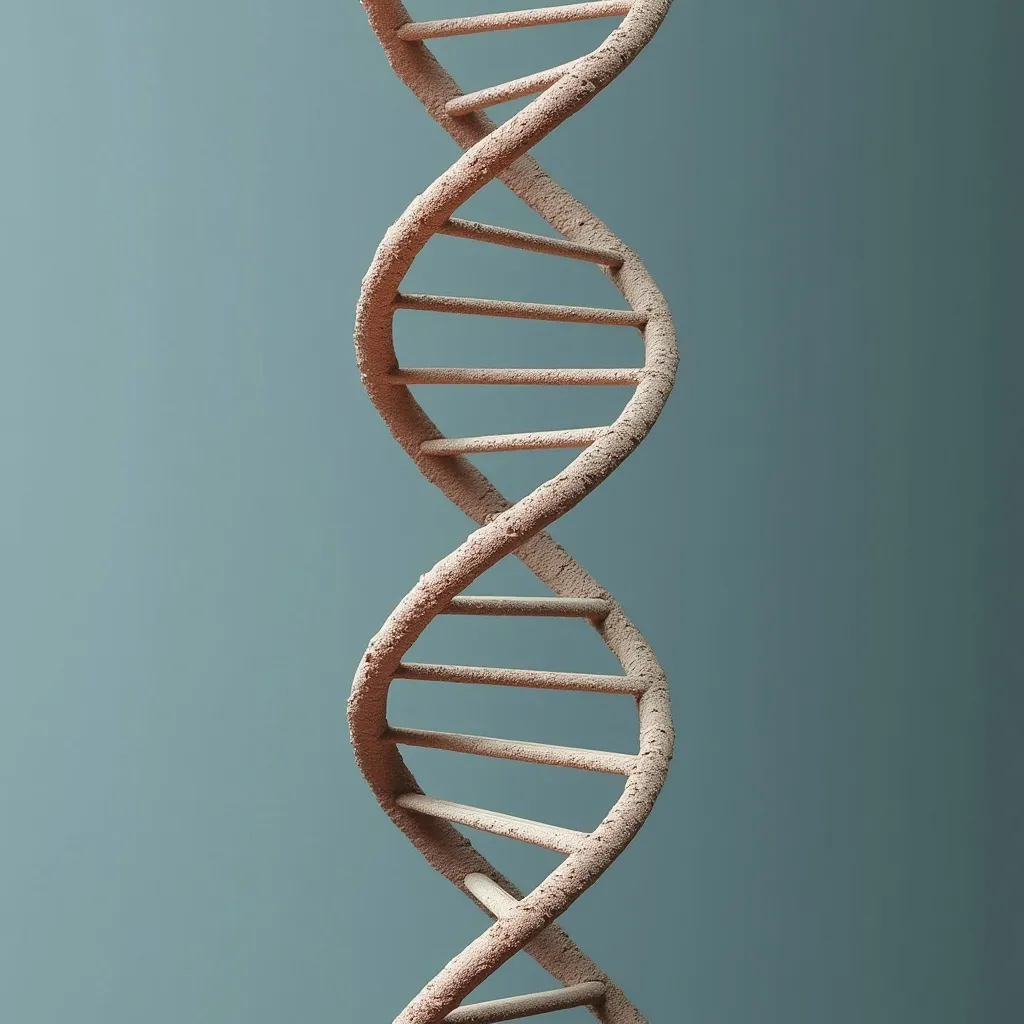
Learning Genetics Understanding the Building Blocks of Life
Genetics, the science of heredity and variation in living organisms, is a fundamental facet of biology. This article will guide you through the basics of genetics, from understanding DNA and genes to exploring the latest advancements in genetic research. Whether you are a student, an enthusiast, or someone with a keen interest in the science of life, this resource will help you learn genetics comprehensively.
What is Genetics?
Genetics is the study of how traits are passed from parents to offspring through genes. At its core, genetics explores the structure and function of genes, the molecular basis of heredity, and the roles genes play in health and disease. Understanding genetics is essential for comprehending the principles behind fundamental biological processes and innovations in medical science.
DNA The Blueprint of Life
DNA, or deoxyribonucleic acid, is the molecule that carries genetic instructions for the growth, development, functioning, and reproduction of all known living organisms. DNA is structured as a double helix composed of two long strands of nucleotides, each containing a sugar molecule, a phosphate group, and a nitrogenous base.
Each DNA molecule consists of sequences called genes. These genes provide instructions for building proteins, which are crucial for cell function, structure, and regulation. Variations or mutations in these genes can lead to different traits or genetic disorders.
Genes, Alleles, and Chromosomes
Genes are segments of DNA located on chromosomes, the structures that organize genetic information within the nucleus of cells. Humans typically have 23 pairs of chromosomes, including one pair of sex chromosomes that determine biological sex. Variations in a gene are known as alleles, which can result in variations in physical traits such as eye color or the potential for certain diseases.
Genetics is also concerned with understanding how alleles interact through dominant and recessive patterns, affecting an individual's phenotype - the set of observable characteristics influenced by genetic makeup and environment.
Genetic Variability and Heredity
Genetic variability arises from processes like mutation, genetic recombination during sexual reproduction, and chromosomal crossover. These processes lead to individuals within a population having unique combinations of genes, contributing to diversity. Heredity, or the transmission of traits from parents to offspring, is governed by the principles of Mendelian inheritance, first described by Gregor Mendel through experiments with pea plants.
Advances in Genetic Research
Modern genetics has seen significant advancements, including the completion of the Human Genome Project, which mapped the entire human genetic code. This breakthrough has paved the way for personalized medicine, where treatments are tailored based on an individual's genetic profile, increasing efficacy and reducing adverse effects.
Technologies such as CRISPR-Cas9 allow for precise editing of genes, holding potential for correcting genetic disorders. Additionally, companies like ChatDNA provide platforms for individuals to explore health insights derived from their genetic information, utilizing data from existing DNA tests.
Exploring Genetics Through Technology
The availability of DNA testing services has made genetic information more accessible. By analyzing one's DNA, individuals can gain insights into health predispositions, carrier status for genetic conditions, and responses to certain medications. These insights can empower informed health decisions but should be interpreted in conjunction with professional medical advice.
Mixed Inheritance Patterns and Genetic Disorders
Genetics does not always follow straightforward patterns. Some traits arise from complex inheritance patterns where multiple genes and environmental factors are involved. Polygenic inheritance involves multiple genes contributing to a single trait, such as height or skin color. Understanding these patterns is crucial for deciphering genetic disorders and syndromes that may not adhere to simple Mendelian rules.
The Ethical Considerations in Genetics
The rapid advancements in genetic research raise ethical questions about privacy, consent, and potential misuse of genetic information. Genetic testing can reveal information that might affect health insurance, employment, and personal relationships. As such, ethical guidelines and regulations are essential to protect individuals' rights and ensure fair usage of genetic information.
Genetics is a dynamic and integral field of science with profound implications for health and biology. Understanding its principles offers insights into the complexity of life. Whether through academic study or engaging with platforms like ChatDNA, individuals have various pathways to deepen their understanding of genetics and its role in modern science.
What is ChatDNA?
ChatDNA can analyze your DNA to answer any question. When you ask a question it will provide clear explanations and meaningful insights about who you are at a genetic level.
You can import existing DNA results from all major services like 23andMe and AncestryDNA or purchase a new DNA test kit through ChatDNA.
ChatDNA is especially valuable for anyone interested in:
- Understanding how their genes influence health and wellness
- Learning about their unique genetic traits
- Discovering personalized insights about their biological characteristics
- Getting clear, conversational answers to their DNA-related questions
Ready to get answers about your DNA? Visit ChatDNA.co to get started.