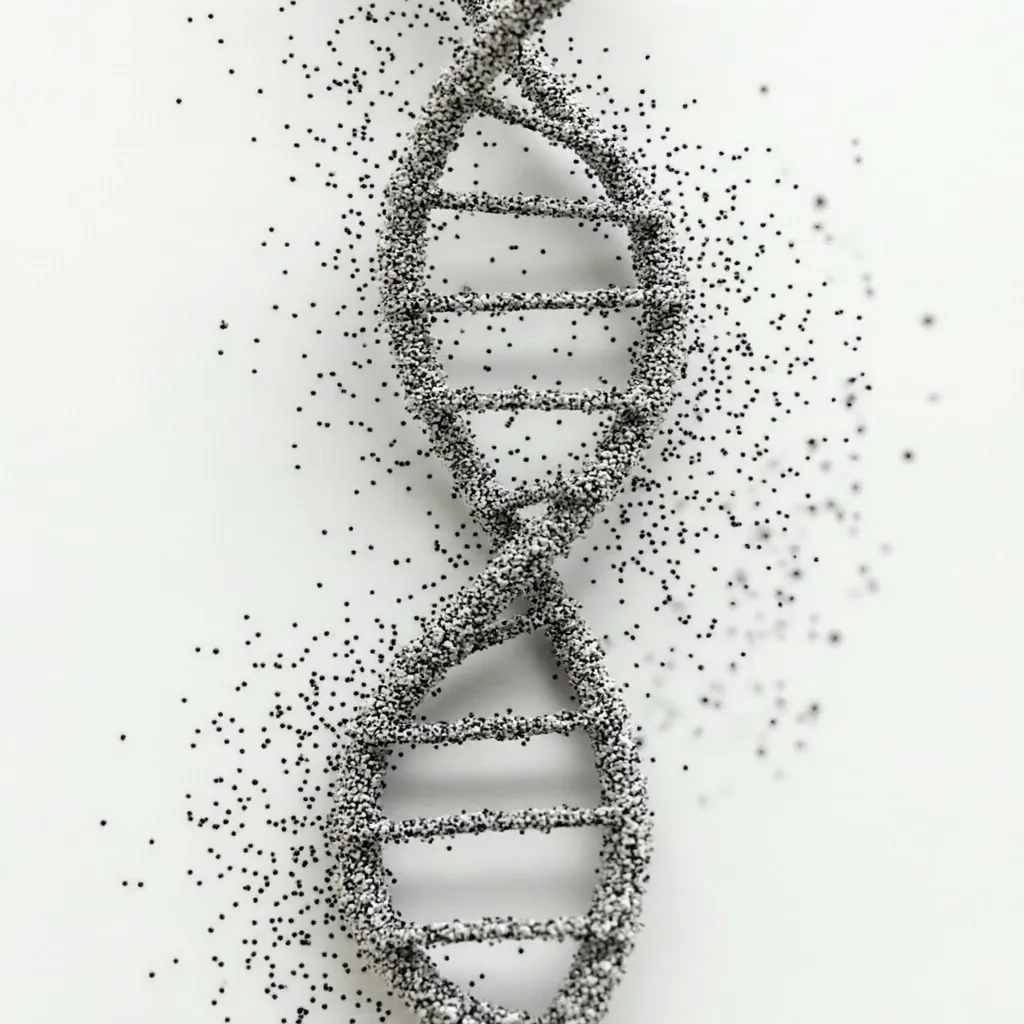
Is DNA Testing Accurate? Understanding the Reliability and Limitations
DNA testing has gained significant attention over the years, becoming a powerful tool for individuals seeking insights into their genetic make-up. As its popularity grows, so does the question of its accuracy. Understanding the reliability of DNA testing and its inherent limitations is key for anyone considering undergoing such an analysis.
The Science Behind DNA Testing
DNA testing, also known as genetic testing, involves analyzing a person's genetic material to provide information about genes and chromosomes. The process begins by extracting DNA from a sample, usually saliva or blood, and then comparing it against a large database to identify genetic markers. These tests can reveal a range of information, from genetic predispositions to certain health conditions, to familial relationships and ancestry.
Factors Affecting DNA Testing Accuracy
Several factors play a role in the accuracy of DNA testing. These include:
-
Type of Test Implemented: The accuracy of a DNA test can widely depend on its type. For instance, tests that target specific genes for disease markers may exhibit high accuracy, typically over 99%. Conversely, broad analysis tests, such as those predicting ancestry, might involve more assumptions, leading to variability in accuracy.
-
Sample Quality and Handling: The quality and handling of DNA samples are crucial. Contamination, degradation, or insufficient sample size can compromise test results. Testing companies implement rigorous protocols to mitigate these issues, but they remain a potential source of error.
-
Database Size and Diversity: DNA test results are matched against existing databases to identify genetic markers. A robust and diverse database can enhance the accuracy of the matching process. Smaller or less diverse databases may not provide the breadth needed for precise results, particularly in the context of ancestry tests.
-
Technological Advancements: Continuous advancements in sequencing and analytical techniques are improving the precision of DNA tests. New technologies can now provide detailed insights with improved accuracy compared to earlier methods.
Limitations and Misinterpretations
While DNA testing provides valuable genetic insights, it is not without limitations:
-
Predictive Not Deterministic: Many DNA tests, particularly those offering health insights, provide probabilistic outcomes rather than definitive answers. A genetic predisposition noted by a test does not guarantee the development of a condition.
-
Interpretation by Professionals: Results can be complex to interpret, necessitating professional guidance. Genetic counselors play a critical role in explaining results in the context of a broader health profile.
-
Privacy and Ethical Concerns: Sharing genetic data raises privacy concerns. It is crucial to understand how a testing company, such as ChatDNA or others, manages and protects genetic data. Ethical considerations also arise regarding consent and the implications of genetic information.
Practical Tips for Reliable DNA Testing
-
Choosing the Right Test Provider: When opting for DNA testing, research and select a reputable provider. Consider companies with a track record of scientific rigor and transparent methodologies.
-
Understanding the Test's Purpose: Clearly define what you want from the test, whether it is health insights or ancestry information. This focus can guide you toward the most suitable testing option.
-
Consulting Health Professionals: Before and after testing, consult healthcare professionals. They can assist in understanding and integrating genetic information into your broader health strategy.
Beyond Standard Testing
For individuals keen to explore beyond provided results, services like ChatDNA allow further exploration of health and wellness insights using existing DNA data. This can offer additional layers of interpretation, helping deepen understanding of one's genetic profile.
DNA testing continues to evolve, providing meaningful insights with increasing accuracy. However, approaching these tests with a full understanding of their capabilities and limits is essential for making informed decisions.
What is ChatDNA?
ChatDNA can analyze your DNA to answer any question. When you ask a question it will provide clear explanations and meaningful insights about who you are at a genetic level.
You can import existing DNA results from all major services like 23andMe and AncestryDNA or purchase a new DNA test kit through ChatDNA.
ChatDNA is especially valuable for anyone interested in:
- Understanding how their genes influence health and wellness
- Learning about their unique genetic traits
- Discovering personalized insights about their biological characteristics
- Getting clear, conversational answers to their DNA-related questions
Ready to get answers about your DNA? Visit ChatDNA.co to get started.