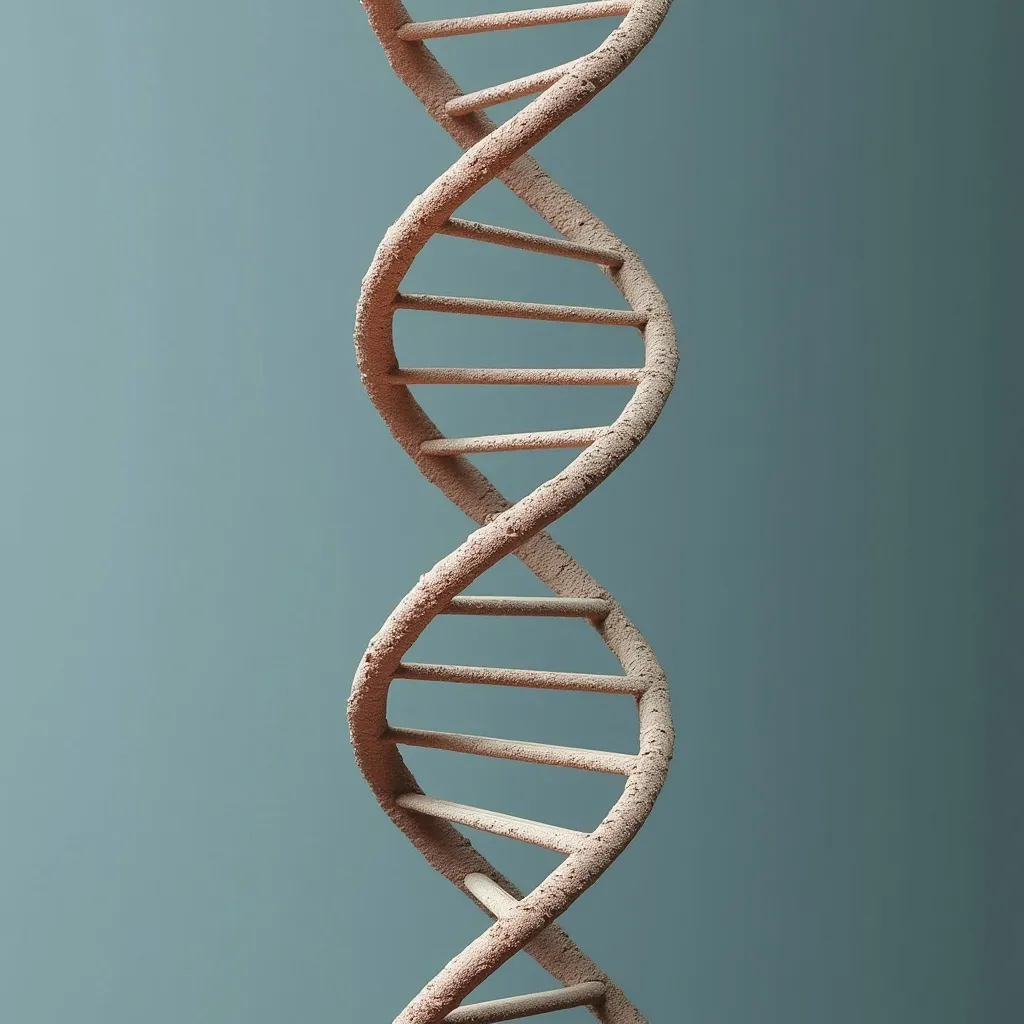
Is Depression Genetic Understanding the Connection
Understanding whether depression is genetic involves exploring complex interactions between genetics, environment, and individual biology. Evidence suggests both genetic and environmental factors play significant roles in the development and prevalence of depression. To understand this interplay, one must delve into current scientific research and genetic data.
Genetic Influences on Depression
Depression, also known as major depressive disorder, is a common mental health condition. Research supports a genetic component, indicating people with family members who have depression are at higher risk. Twin studies have consistently shown higher concordance rates for depression in monozygotic twins than dizygotic twins, suggesting genetic influences. Genome-wide association studies (GWAS) have identified several genetic markers linked to depression, although these markers often contribute a small amount to overall predisposition.
Genetics alone does not determine depression. A predisposition can be present, but environmental factors and personal experiences are crucial in influencing whether depression manifests. Identifying specific genes associated with depression is an ongoing area of research, with scientists examining how these genes interact with brain chemistry and structure.
Environmental and Lifestyle Factors
While genetics may increase vulnerability to depression, environmental and lifestyle factors often determine its development. Stressful life events and early childhood adversity are significant contributors. Environmental factors can activate genetic predispositions, leading to a more significant expression of depressive symptoms.
Additionally, factors such as diet, sleep, physical activity, and substance use can impact mood and interact with genetic predispositions. Understanding this intricate balance between genetics and environment may help in creating more individualized treatment strategies.
Epigenetics and Depression
Epigenetics offers insight into how environmental factors can influence gene expression related to depression. Epigenetic changes do not alter the DNA sequence but affect how genes are turned on or off. For instance, stress or trauma can lead to epigenetic modifications that increase the likelihood of developing depression even if a genetic predisposition is not present.
The field of epigenetics is expanding our understanding of how lifestyle and environmental factors can potentially modify genetic risk. Future research into epigenetics may provide new pathways for prevention and treatment.
The Role of Neurotransmitters and Brain Structure
Neurotransmitter imbalances play a vital role in depression. Serotonin, dopamine, and norepinephrine are neurotransmitters implicated in mood regulation and may link to genetic predispositions. Certain genetic variations can affect neurotransmitter pathways, influencing the risk of depression.
Brain imaging studies reveal structural and functional differences in the brains of those with depression. These studies link the hippocampus, amygdala, and prefrontal cortex to depression-related genetic factors. Understanding how genetic variations affect brain structure and function might explain individual differences in vulnerability to depression.
Genetic Testing and Depression
Genetic testing is becoming more accessible, allowing individuals to understand their genetic predispositions towards various health conditions, including depression. While genetic testing cannot definitively predict or diagnose depression, services like ChatDNA provide insights into genetic factors that may influence mental health. These services analyze genetic data, often reused from existing DNA tests, to offer personalized insights into health and wellness.
Individuals considering genetic testing should be aware of the potential psychological and privacy implications. Genetic counseling is recommended to interpret results and understand their significance. As research progresses, genetic testing may contribute to more personalized treatment approaches in mental health care.
Conclusion
Understanding the genetic basis of depression requires acknowledging its complexity. Both genetic and environmental factors influence depression, and ongoing research continues to uncover their interplay. While genetics play a role, they do not solely determine mental health outcomes. Advances in research, including studies on genetic markers and epigenetics, offer hope for future individualized treatments.
For those interested in exploring their genetic predispositions, services like genetic testing through ChatDNA offer an opportunity to gain insights into how their DNA might influence their mental health. Taking a holistic approach that considers both genetic and environmental factors remains essential in addressing depression.
Meta Description
Explore the role of genetics in depression. Learn about genetic markers, environmental factors, and how genetic testing can offer insights into mental health predispositions.
What is ChatDNA?
ChatDNA can analyze your DNA to answer any question. When you ask a question it will provide clear explanations and meaningful insights about who you are at a genetic level.
You can import existing DNA results from all major services like 23andMe and AncestryDNA or purchase a new DNA test kit through ChatDNA.
ChatDNA is especially valuable for anyone interested in:
- Understanding how their genes influence health and wellness
- Learning about their unique genetic traits
- Discovering personalized insights about their biological characteristics
- Getting clear, conversational answers to their DNA-related questions
Ready to get answers about your DNA? Visit ChatDNA.co to get started.