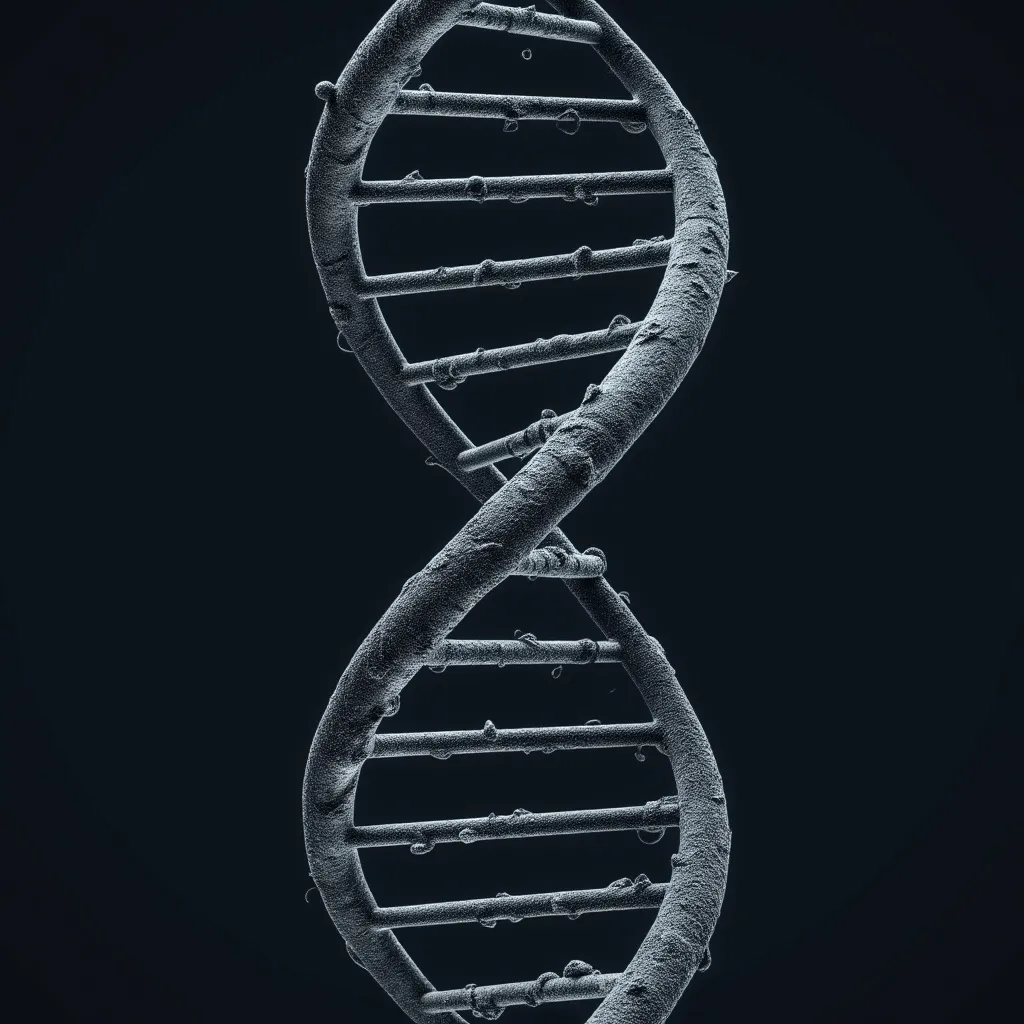
Understanding DNA Tests: A Comprehensive Guide
Discover the intricacies of DNA tests, their purposes, processes, and implications in this detailed exploration of genetic testing. Learn how DNA tests can provide insights into health, ancestry, and beyond.
What is a DNA Test?
A DNA test involves analyzing genetic material to uncover information about an individual's genetic makeup. This process can detect specific genes, chromosomal structures, and variations that provide insights into ancestry, health risks, paternity, and personal characteristics. DNA, or deoxyribonucleic acid, is present in nearly every cell of the human body and carries the information necessary for the growth, development, and functioning of an organism.
Types of DNA Tests
DNA tests are varied and serve different purposes. The most common types include:
-
Ancestry Testing: This type of test tracks genealogical history and lineage by comparing an individual's DNA with that of global populations. It identifies relationships between different lineages and provides insights into ancestral origins.
-
Health and Wellness Testing: These tests assess genetic predispositions to certain health conditions, such as heart disease, diabetes, and genetic disorders. Services like ChatDNA focus on health and wellness insights, providing personalized health management information.
-
Paternity and Relationship Testing: Used to establish biological relationships, these tests confirm familial connections with high accuracy.
-
Whole Genome Sequencing: Unlike other tests, this analyzes an entire genome, offering a comprehensive overview of one's genetic code. It's often used in research and complex medical diagnoses.
How DNA Tests Work
DNA tests typically involve a simple sample collection process, such as a cheek swab or saliva sample. This sample is sent to a laboratory where technicians extract DNA and conduct analyses using various methods:
- Polymerase Chain Reaction (PCR): Amplifies small DNA samples for detailed examination.
- Microarray Analysis: Examines specific genetic variants across a genome.
- Next-Generation Sequencing (NGS): Sequences entire genomes and identifies a vast array of genetic differences.
The results are usually processed by comparing the information against existing genetic databases, helping identify genetic traits, risks, and connections.
Applications of DNA Testing
The applications of DNA testing are broad and expanding, touching numerous fields:
- Personal and Family Health: Helps individuals make informed decisions about health and lifestyle by understanding genetic risks.
- Legal and Forensic Science: Provides critical evidence in identifying individuals in criminal investigations and establishing paternity.
- Archaeology and Anthropology: Analyzes ancient DNA to study human history and evolution patterns.
- Agriculture and Biotechnology: Assists in optimizing crop breeding and livestock management based on genetic traits.
Considerations and Limitations
Before undergoing DNA testing, several factors and limitations should be considered:
- Privacy and Data Security: The sharing of genetic data poses privacy concerns. Consumers should ensure their data is protected and clearly understand how it is used.
- Interpretation of Results: DNA test results require expert interpretation. Results indicating health risks may warrant consultation with healthcare professionals.
- Ethical Implications: Genetic testing can impact personal decisions and family dynamics. The ethical considerations of testing and sharing results should be carefully evaluated.
Advances in DNA Technology
Ongoing advances in genetic technology are making DNA tests more accessible and informative. Direct-to-consumer testing and innovations in AI-driven analysis (like those used by ChatDNA) provide personalized insights that extend beyond traditional testing models, offering new possibilities in preventive health and personalized medicine.
Practical Tips for Individuals Considering DNA Testing
- Research Providers: Choose a reputable provider with a clear privacy policy.
- Evaluate Test Options: Determine which type of DNA test aligns with your goals, whether for health insights or genealogical research.
- Understand Potential Outcomes: Be prepared for potentially unexpected results and their implications for your personal life.
- Consult Professionals: Consider discussing results with a genetic counselor or medical professional for a comprehensive understanding.
The exploration of one’s DNA offers a window into the past, present, and potential future, providing valuable insights that aid in personal and scientific advancements. DNA tests have become a cornerstone of modern science, enhancing our understanding of genetics and revolutionizing numerous aspects of life.
What is ChatDNA?
ChatDNA can analyze your DNA to answer any question. When you ask a question it will provide clear explanations and meaningful insights about who you are at a genetic level.
You can import existing DNA results from all major services like 23andMe and AncestryDNA or purchase a new DNA test kit through ChatDNA.
ChatDNA is especially valuable for anyone interested in:
- Understanding how their genes influence health and wellness
- Learning about their unique genetic traits
- Discovering personalized insights about their biological characteristics
- Getting clear, conversational answers to their DNA-related questions
Ready to get answers about your DNA? Visit ChatDNA.co to get started.