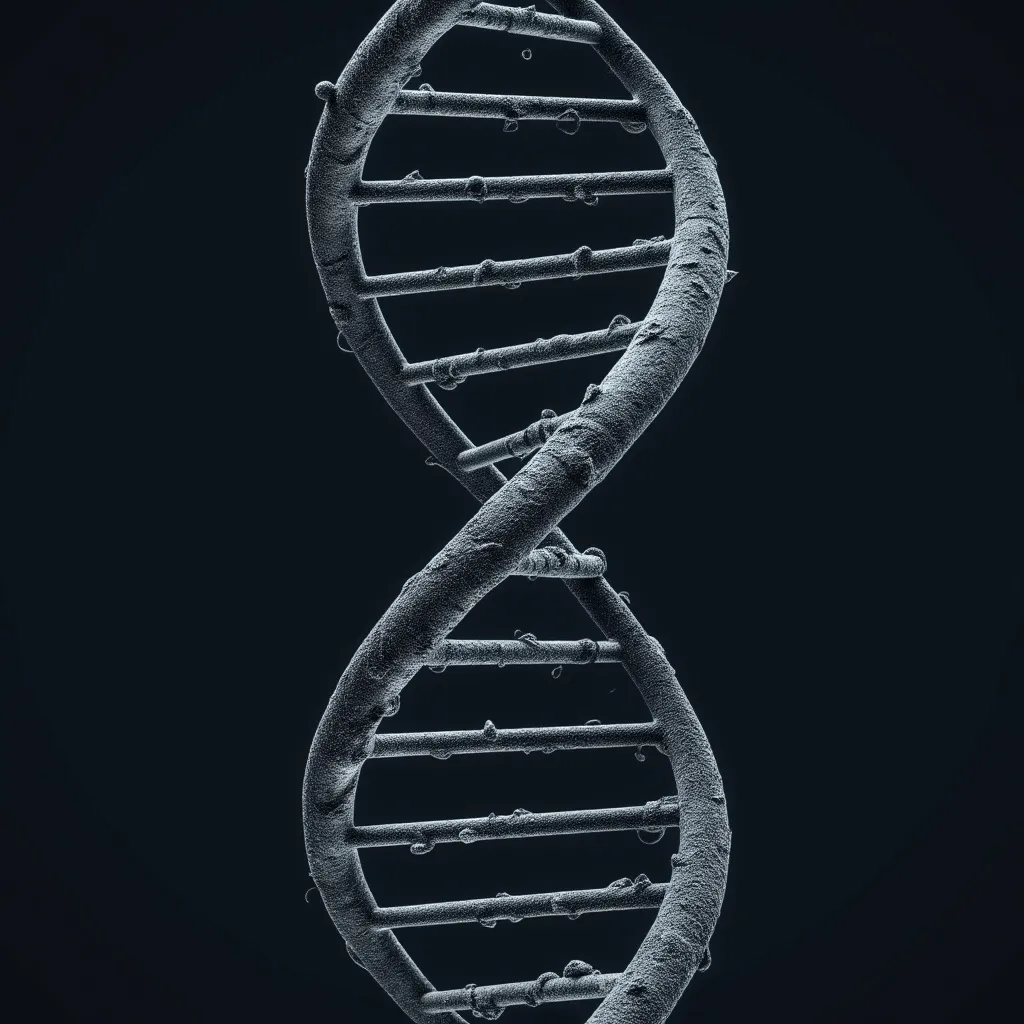
Engage in an exploration of human genetics, the study of genes and heredity in humans. Delve into information about how genetic composition impacts various aspects of life, from health to human behavior, and learn about emerging technologies and practices in genetic research.
Understanding Human Genetics
Human genetics refers to the study of genes, genetic variation, and heredity in humans. Genes, composed of DNA, act as instructions for the development, functioning, and reproduction of organisms. Genetic variation between individuals or populations can occur due to mutations, genetic recombination during sexual reproduction, or interaction with the environment.
The Structure and Function of Genes
Genes are found on chromosomes within a cell's nucleus. Humans typically have 23 pairs of chromosomes, inheriting one chromosome from each parent. This total of 46 chromosomes carries genetic material crucial for diverse biological functions. Genes encode specific proteins that perform a variety of tasks necessary for growth and development.
Genetic Variation and its Implications
Genetic variation is fundamental to the study of human genetics. Variations arise due to single nucleotide polymorphisms, copy number variations, and structural changes in the genome. These variations can influence traits, susceptibility to diseases, and the response to environmental factors, including drugs and nutrition.
The Human Genome Project
Completed in 2003, the Human Genome Project aimed to map the entire human genome. This vast project has paved the way for advances in genetic research, facilitating better understanding of genes and their role in health and disease.
Hereditary Diseases and Genetic Testing
Genetic mutations can lead to hereditary diseases. Conditions like cystic fibrosis, sickle cell anemia, and Huntington's disease result from variations in specific genes. Genetic testing can identify carriers of genetic disorders, allowing for informed decisions in family planning. Services like ChatDNA can provide health and wellness insights by analyzing DNA from various testing services.
Epigenetics: Beyond DNA Sequence
Epigenetics studies changes in gene expression without altering the underlying DNA sequence. Environmental factors like nutrition, stress, and exposure to chemicals can influence epigenetic changes, potentially impacting health and disease risk. Further research is driving a deeper understanding of aging, development, and chronic diseases.
Ethical Considerations in Human Genetics
Research in genetics raises ethical questions pertaining to privacy, consent, and potential discrimination. With technologies like CRISPR enabling precise genetic modifications, ethical considerations are increasingly vital to guide responsible use of genetic information.
Genetic Counseling
Genetic counseling provides individuals and families guidance about genetic conditions. Professionals educate about inheritance, testing options, and management strategies for genetic disorders, helping individuals make informed decisions.
Advances in Genetic Research
Advancements in genomic technologies, such as next-generation sequencing and bioinformatics, facilitate more comprehensive genetic analyses. These technologies are expanding understanding of genetic diseases and are leading to personalized medicine approaches that tailor treatment based on an individual's genetic profile.
Conclusion of Human Genetics
Human genetics is a dynamic field significantly impacting medicine, biology, and society. From understanding the basic principles of genetics to exploring the human genome's complexities, the study of human genetics offers insights into health, disease, and the broader question of what it means to be human. As research progresses, ethical and practical considerations remain paramount, ensuring that advancements in genetic technology align with societal values.
What is ChatDNA?
ChatDNA can analyze your DNA to answer any question. When you ask a question it will provide clear explanations and meaningful insights about who you are at a genetic level.
You can import existing DNA results from all major services like 23andMe and AncestryDNA or purchase a new DNA test kit through ChatDNA.
ChatDNA is especially valuable for anyone interested in:
- Understanding how their genes influence health and wellness
- Learning about their unique genetic traits
- Discovering personalized insights about their biological characteristics
- Getting clear, conversational answers to their DNA-related questions
Ready to get answers about your DNA? Visit ChatDNA.co to get started.