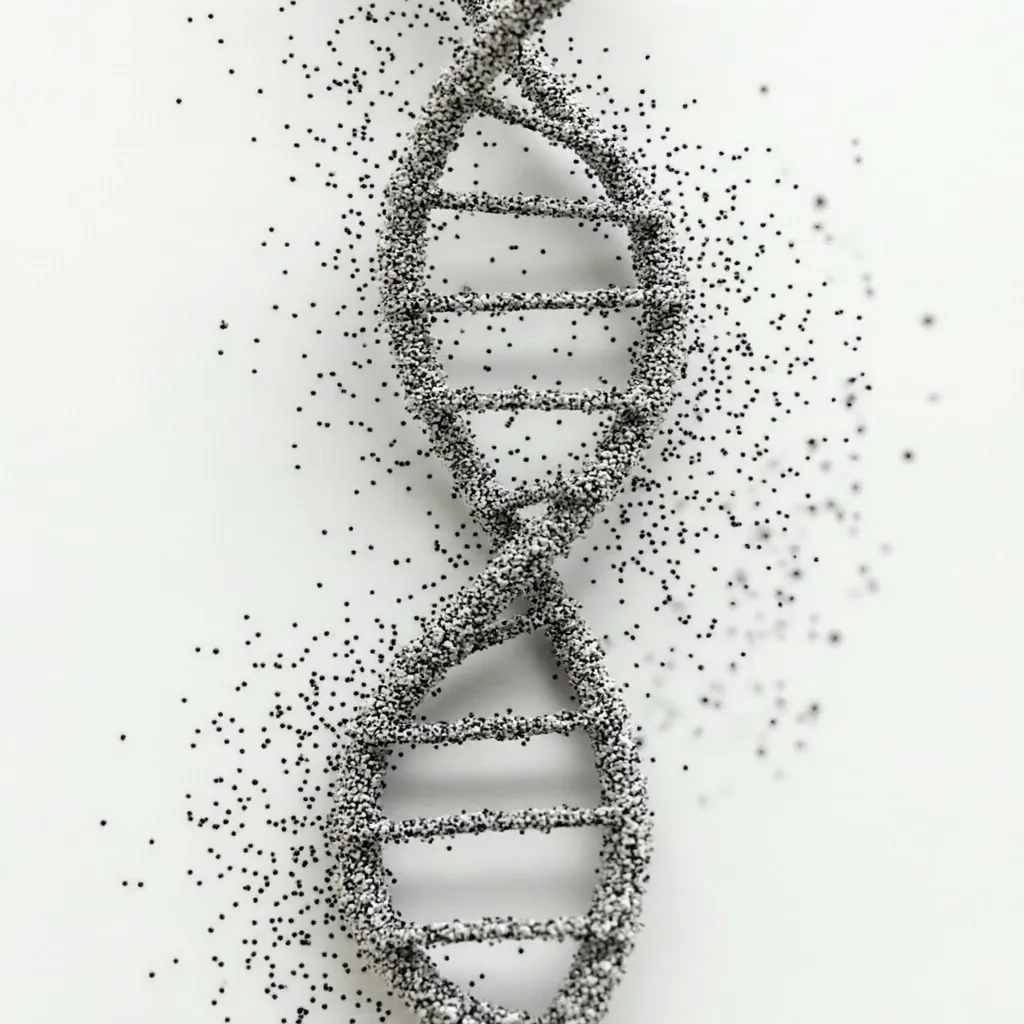
Understanding Genetically Modified Organisms
Genetically modified organisms (GMOs) have become a topic of considerable interest and debate over recent decades. This term broadly refers to any organism whose genetic material has been altered using genetic engineering techniques. These modifications are made to introduce desired traits in plants, animals, or microorganisms. This article delves into the science and applications of genetically modified organisms, providing an informative overview for those seeking to understand more about this field.
The Science Behind Genetic Modification
Genetic modification involves altering the DNA of organisms. Techniques include inserting genes from one species into another, knocking out specific genes, or even enhancing the expression of existing genes. The most common method involves recombinant DNA technology, which allows scientists to cut and paste sections of DNA using enzymes. This precise alteration enables the introduction of traits that would be impossible or take much longer to achieve through traditional breeding methods.
Applications in Agriculture
One of the most prominent uses of genetically modified organisms is in agriculture. Crops such as corn, soybeans, and cotton have been genetically modified to increase resistance to pests, diseases, and herbicides. This resistance can lead to higher yields and lower reliance on chemical pesticides. An example is Bt corn, which has been modified to express a toxin that is harmful to certain insects but safe for human consumption. Modified crops are also being developed to improve nutritional content or tolerance to harsh environmental conditions, like drought and salinity.
Beyond Agriculture Medical Uses of GMO
Genetic modification is not limited to plants but extends to microorganisms and animals, offering potential benefits to healthcare. For example, bacteria have been genetically modified to produce insulin, a hormone crucial for diabetes treatment. These modified bacteria provide a more efficient and cost-effective way to produce insulin compared to previous methods. In the field of gene therapy, scientists are exploring the potential of using modified viruses to deliver therapeutic genes to patients with genetic disorders.
Environmental and Ethical Considerations
The use of genetically modified organisms raises environmental concerns, such as the potential for altered genes to spread to non-target species. There is also the issue of unintended effects on ecosystems and biodiversity. Ethical considerations include the potential impact on farmers and the control of food supply by a few large corporations. As technologies advance, robust regulatory frameworks and risk assessment protocols become even more crucial to address these concerns effectively.
Regulation and Safety Assessment
Globally, the regulation of genetically modified organisms varies widely. Regulators focus on assessing the safety for human consumption, environmental impact, and potential allergenicity. In the United States, the regulatory oversight is shared among agencies such as the USDA, FDA, and EPA. The European Union applies the precautionary principle, leading to stricter regulations. Despite differing approaches, the ultimate goal is to ensure that GMOs are safe for consumers and the environment.
Exploring Your Genetic Footprint
For those interested in understanding their own genetic makeup, services like ChatDNA can provide insights into health and wellness through the analysis of DNA. This option allows users to explore potential genetic predispositions and health insights based on their DNA, offering personalized information that can guide lifestyle and wellness decisions.
Conclusion
Genetically modified organisms present significant potential across various fields, including agriculture, medicine, and environmental management. While they offer many benefits, it is essential to consider and address the challenges and concerns associated with their use. As scientific research and technological advancements continue, balanced and informed decision-making will play a crucial role in harnessing the full potential of genetic modification for future innovations.
Meta Description: Explore the world of genetically modified organisms, their applications in agriculture and medicine, and the ethical considerations involved, providing a balanced and informative overview for understanding GMOs.
What is ChatDNA?
ChatDNA can analyze your DNA to answer any question. When you ask a question it will provide clear explanations and meaningful insights about who you are at a genetic level.
You can import existing DNA results from all major services like 23andMe and AncestryDNA or purchase a new DNA test kit through ChatDNA.
ChatDNA is especially valuable for anyone interested in:
- Understanding how their genes influence health and wellness
- Learning about their unique genetic traits
- Discovering personalized insights about their biological characteristics
- Getting clear, conversational answers to their DNA-related questions
Ready to get answers about your DNA? Visit ChatDNA.co to get started.