Understanding Genetic Markers for Ring Finger Length
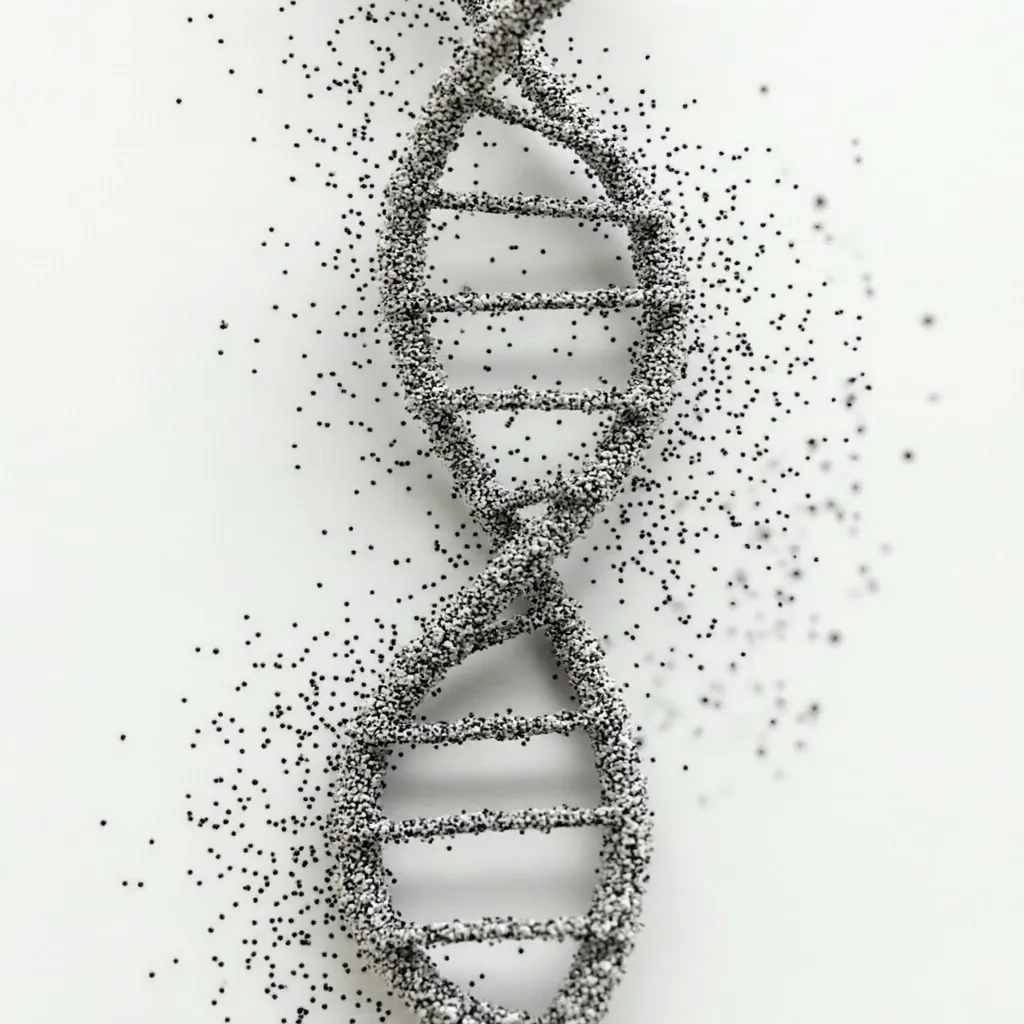
Examining the genetic markers for ring finger length provides insights into the intricate relationship between genetics and physical traits. This topic involves understanding DNA segments that influence how shared genetic variations manifest in finger length, contributing to various inquiries in the fields of developmental biology and genetic research.
Genetic Influence on Finger Length
Finger length, including the relative lengths of the ring and index fingers, is partly determined by genetics. It reflects the balance of hormones experienced during early development in utero. A notable focus is on the ring finger, where genetic markers can provide clues about development processes. Several studies suggest that ring finger length is influenced by prenatal exposure to androgens, such as testosterone. These hormones, to a degree, affect the ring-to-index finger ratio, often referred to as the 2D:4D digit ratio. Researchers have identified particular genetic markers on chromosomes that seem to correlate with finger length.
Key Genetic Markers Linked to Ring Finger Length
Research has identified specific loci on chromosomes associated with finger length differences. Notably, variations in genes such as HOXA and HOXD, involved in limb development and growth, have shown links to digit formation and differentiation. These loci have been studied using genome-wide association studies (GWAS), which help identify common genetic variants among diverse populations.
HOXA and HOXD are part of the homeobox gene family, which regulates patterns of anatomical development. Alterations in these genes' expression or function could lead to variations in digit length. The findings underscore the complexity of genetic influences on physical traits and the need for further study to fully understand these connections.
Advancements in Genetic Testing and Research
Advancements in genetic testing allow for more detailed analysis of DNA to understand genetic predispositions better. Services like ChatDNA offer users the ability to analyze their DNA for health-related insights, including understanding potential genetic influences on physical traits. These services can interpret data from genetic testing services to provide more comprehensive genetic information, aiding in personal health and wellness planning.
The Link Between Genetics and Health
Although the study of genetic markers for ring finger length may seem niche, it contributes to broader research linking physical traits with health implications. Studies suggest correlations between the 2D:4D digit ratio and various conditions, such as cardiovascular disease risk, sports ability, and reproductive behavior. While these associations are not fully understood, they highlight the potential for genetic research to impact fields like epidemiology and personalized medicine.
Future of Genetic Research in Physical Traits
As technology and methodologies in genetic research advance, the capability to pinpoint genetic markers and their implications continues to grow. Understanding genetic influences on finger length may have wider applications, such as exploring links between developmental gene pathways and other traits. With ongoing research, we anticipate gaining more clarity on how genetics shapes who we are and how this knowledge can be applied to improve health outcomes.
The study of genetic markers for ring finger length provides a fascinating glimpse into the complex interplay between genetics and physical development. Although research is ongoing, the insights gained offer valuable perspectives that contribute to our broader understanding of biology and human anatomy.
What is ChatDNA?
ChatDNA can analyze your DNA to answer any question. When you ask a question it will provide clear explanations and meaningful insights about who you are at a genetic level.
You can import existing DNA results from all major services like 23andMe and AncestryDNA or purchase a new DNA test kit through ChatDNA.
ChatDNA is especially valuable for anyone interested in:
- Understanding how their genes influence health and wellness
- Learning about their unique genetic traits
- Discovering personalized insights about their biological characteristics
- Getting clear, conversational answers to their DNA-related questions
Ready to get answers about your DNA? Visit ChatDNA.co to get started.