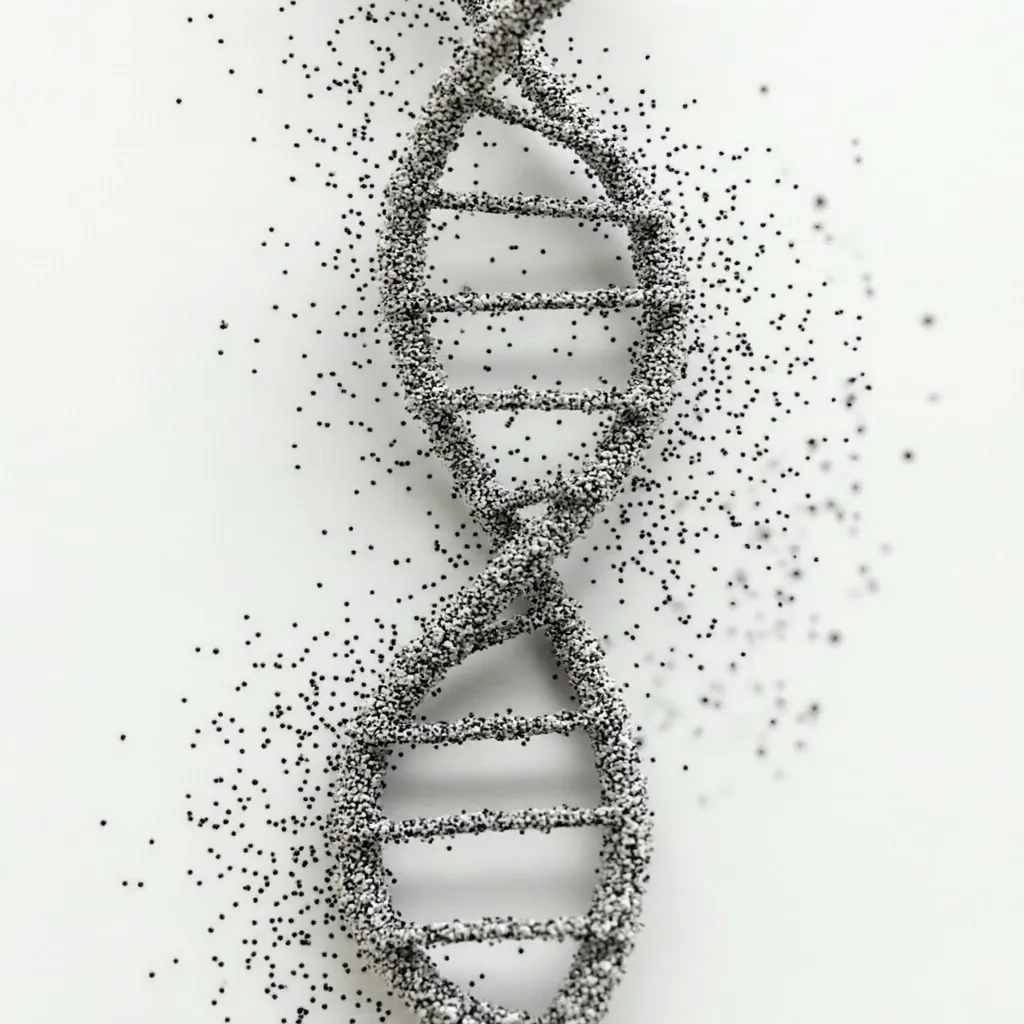
Exploring Genetic Markers for Alcoholism
Genetic markers play a crucial role in understanding complex conditions such as alcoholism. Exploring genetic markers for alcoholism can provide insights into the genetic predispositions that might influence the development of alcohol use disorders. Recent advancements in genomics provide a deeper understanding of the genetic components involved.
Understanding Genetic Markers
Genetic markers are specific sequences in the genome that can indicate the presence of certain genes associated with various traits, including predispositions to diseases like alcoholism. These markers can be single nucleotide polymorphisms (SNPs) or larger genomic variations. They serve as key indicators in studying hereditary patterns and can be essential for personalized medicine.
Significance of Genetic Markers in Alcoholism
Research indicates that genetic factors may account for approximately 50% of the risk for developing alcoholism. Customary studies utilize family and twin methodologies to estimate heritability. However, genetic markers offer a more precise approach. By identifying specific genes associated with alcohol use disorder (AUD), researchers can gain a clearer understanding of the genetic predispositions involved.
Key Genetic Markers Associated with Alcoholism
Several genetic markers have been identified in relation to alcoholism, including variants in genes such as ADH1B, ADH1C, ALDH2, and GABRA2. ADH1B and ADH1C are involved in the metabolic processes of alcohol, impacting the rate at which alcohol is broken down in the liver. Variants in these genes can influence an individual’s susceptibility to alcohol dependence.
The ALDH2 gene is another significant marker, particularly prevalent in East Asian populations. A mutation in ALDH2 can cause adverse reactions to alcohol, which may reduce risk for developing alcoholism due to deterrent effects.
The Role of Genomics in Identifying Risk
Identifying genetic markers associated with alcoholism involves complex genome-wide association studies (GWAS). These studies assess a wide range of genetic variations across diverse populations to pinpoint loci associated with disease susceptibility. While GWAS have illuminated new genetic insights, the polygenic nature of alcoholism suggests that numerous genes, each with a small effect, cumulatively contribute to the risk.
Advanced Tools and Resources
Individuals can learn about their genetic predispositions to alcoholism through advanced DNA testing services. Companies like ChatDNA and others provide tools that analyze genetic data to provide health insights based on pre-existing DNA test results. Such services enable individuals to easily access information about their genetic risks, including how genetic markers may influence their health and behavior.
Beyond Basic Genetic Knowledge
A lesser-known aspect of researching genetic markers for alcoholism is the interaction between genetics and the environment. The gene-environment interaction can inform how environmental factors might trigger genetic predispositions. Understanding epigenetics, which studies changes in gene expression without altering the DNA sequence itself, can also be valuable. These factors highlight the intricate interplay of genetics and personal experiences in alcohol use disorders.
Implications for Treatment
Identifying genetic markers for alcoholism not only aids in risk assessment but also opens pathways for personalized treatment approaches. Pharmacogenomics tailors medication based on genetic makeup, offering potential for more effective and targeted therapies for individuals with alcohol dependence.
Conclusion
Understanding genetic markers for alcoholism is an emerging field that promises to deepen our knowledge of the hereditary aspects of alcohol use disorders. This knowledge may lead to improved prevention strategies and personalized treatments. As research continues, individuals curious about their genetic backgrounds have valuable resources available to explore their genetic data more thoroughly. This ongoing exploration of our genomes highlights the significant role genetics play in shaping our health and behaviors.
What is ChatDNA?
ChatDNA can analyze your DNA to answer any question. When you ask a question it will provide clear explanations and meaningful insights about who you are at a genetic level.
You can import existing DNA results from all major services like 23andMe and AncestryDNA or purchase a new DNA test kit through ChatDNA.
ChatDNA is especially valuable for anyone interested in:
- Understanding how their genes influence health and wellness
- Learning about their unique genetic traits
- Discovering personalized insights about their biological characteristics
- Getting clear, conversational answers to their DNA-related questions
Ready to get answers about your DNA? Visit ChatDNA.co to get started.