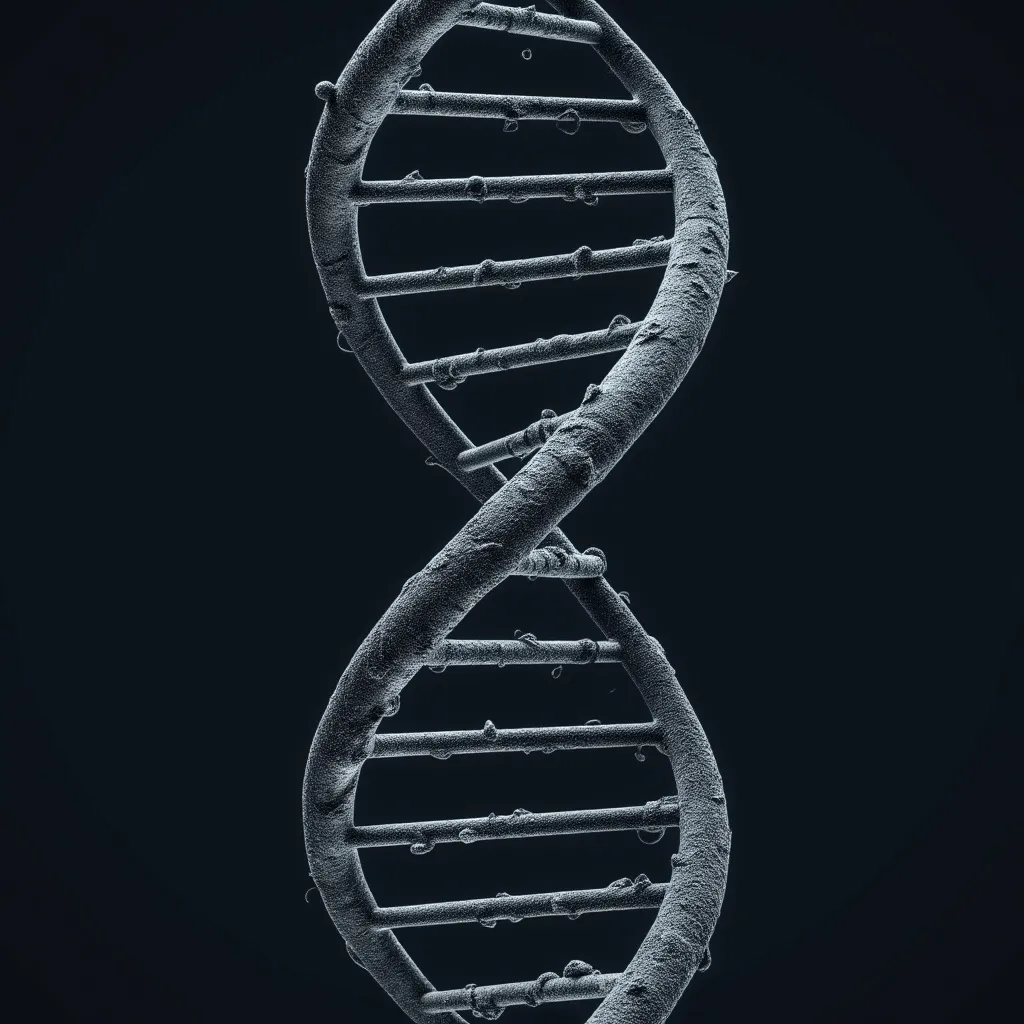
An In-Depth Exploration of Genetic Engineering
Genetic engineering represents a transformative field in modern science, involving techniques that alter the genetic material of organisms to achieve desired traits. This article explores the principles and applications of genetic engineering, its history, and its implications for the future.
What is Genetic Engineering?
Genetic engineering involves the modification of the genetic makeup of an organism. Scientists employ various techniques to add, remove, or alter DNA sequences. This can lead to changes in specific traits or the creation of entirely new characteristics in plants, animals, and microorganisms.
Historical Context
The field of genetic engineering emerged from foundational discoveries in genetics and molecular biology. The 1970s marked significant progress with the development of recombinant DNA technology. This allowed scientists to cut and recombine DNA from different organisms, paving the way for a multitude of applications.
Techniques in Genetic Engineering
Several techniques form the core of genetic engineering. Understanding these methods provides insight into how genetic modifications are achieved.
-
CRISPR-Cas9: This gene-editing tool allows precise modifications to DNA sequences. It uses a guide RNA to target specific DNA regions, and the Cas9 enzyme cuts the DNA to enable alteration or correction of genetic defects.
-
Gene Cloning: This involves copying and multiplying a particular gene sequence. This method is used in research and biotechnology to analyze gene function and produce proteins.
-
Transgenesis: In this process, foreign genes are introduced into a host organism's genome. This technology is common in the development of genetically modified organisms (GMOs) in agriculture.
Applications of Genetic Engineering
Genetic engineering impacts various sectors, including agriculture, medicine, and industry.
-
Agriculture: Genetically modified crops with enhanced traits like pest resistance and improved nutrition are widely cultivated. These crops can contribute to food security and sustainable farming practices.
-
Medicine: Gene therapy and genetic modification of organisms offer possibilities for treating genetic disorders. For example, therapies targeting genetic disorders like sickle cell disease show how genetic engineering can have profound medical applications.
-
Biotechnology: Industries utilize genetically engineered microorganisms for tasks such as producing insulin, growth hormones, and other pharmaceuticals. The capability to mass-produce such substances has revolutionized medicine and industry.
Ethics and Controversies
Genetic engineering raises ethical questions and concerns about safety. Issues include the potential impact of GMOs on biodiversity and ecosystem balance, as well as the ethical implications of modifying human genes. It is crucial to address these concerns with comprehensive regulations and responsible practices.
Practical Insights into Your DNA
For those interested in exploring their own genetic makeup, services such as ChatDNA can provide health and wellness insights based on your DNA profile. These platforms allow users to reuse DNA data from various testing services to gain understanding and possibly contribute to personalized medical information.
Looking Forward
The future of genetic engineering promises continued advancements and challenges. Upcoming developments may include more precise gene-editing technologies and their potential mainstream adoption in healthcare and agriculture. As research progresses, the balance between innovation and ethical considerations will remain central to the ongoing discussion.
Genetic engineering remains a cornerstone of modern biology, with powerful technologies reshaping how we interact with the natural world. While its potential is vast, thoughtful application and ethical oversight will determine its ultimate impact on society.
What is ChatDNA?
ChatDNA can analyze your DNA to answer any question. When you ask a question it will provide clear explanations and meaningful insights about who you are at a genetic level.
You can import existing DNA results from all major services like 23andMe and AncestryDNA or purchase a new DNA test kit through ChatDNA.
ChatDNA is especially valuable for anyone interested in:
- Understanding how their genes influence health and wellness
- Learning about their unique genetic traits
- Discovering personalized insights about their biological characteristics
- Getting clear, conversational answers to their DNA-related questions
Ready to get answers about your DNA? Visit ChatDNA.co to get started.