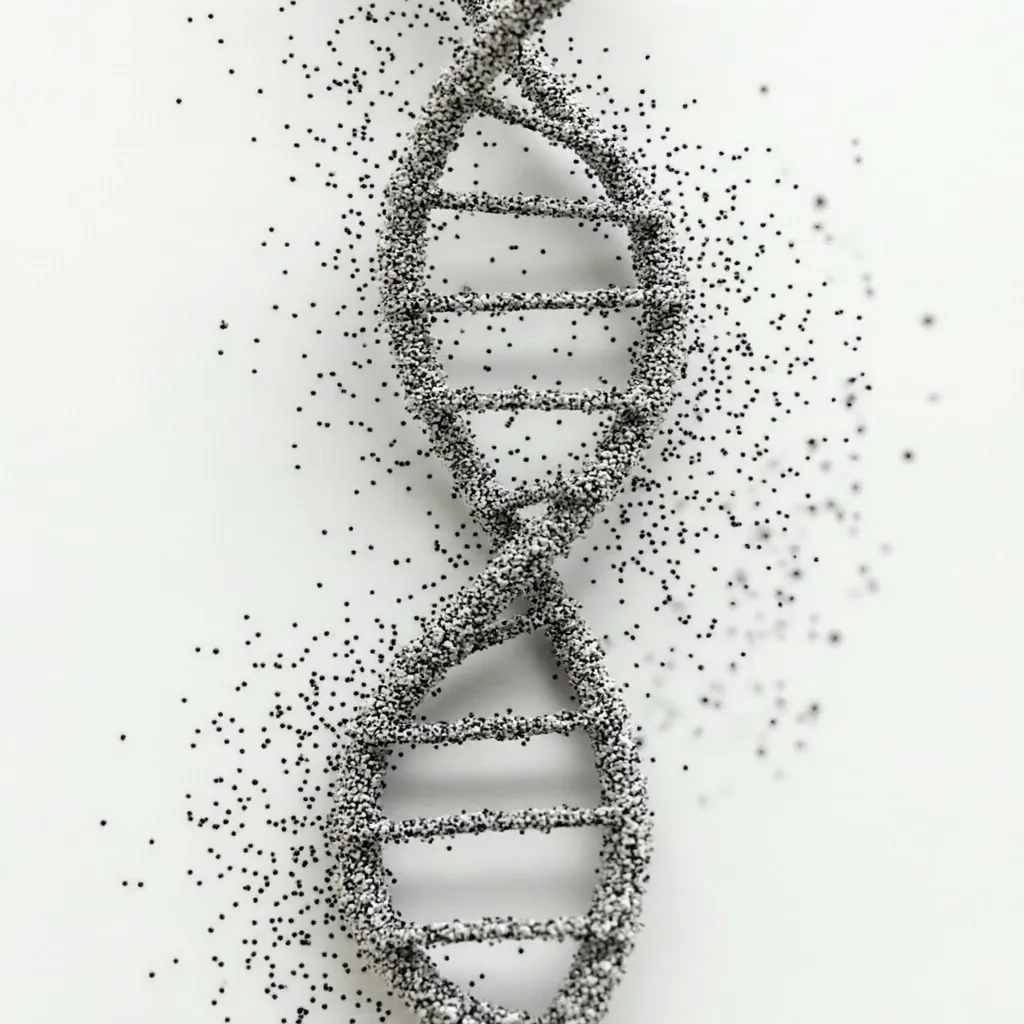
Exploring the Genetic Disorders List Understanding Conditions Rooted in Our DNA
Curious about genetic disorders and the conditions associated with them? This article delves into the extensive list of genetic disorders, shedding light on their causes, symptoms, and the impact they have on health.
Understanding Genetic Disorders
Genetic disorders are conditions caused by abnormalities in an individual's DNA. These abnormalities can be due to genetic mutations or changes in an individual's genome. Genetic disorders can be inherited from one or both parents or can occur spontaneously. They can affect various body systems, leading to a wide range of symptoms and health effects.
Categories of Genetic Disorders
Genetic disorders can be divided into several categories based on their causes:
-
Single-Gene Disorders
- Also known as monogenic disorders, these are caused by mutations in a single gene. Examples include cystic fibrosis, sickle cell anemia, and Marfan syndrome.
-
Chromosomal Disorders
- These disorders result from changes in the number or structure of chromosomes. Down syndrome and Turner syndrome are well-known examples.
-
Complex Disorders
- These are influenced by mutations in multiple genes along with environmental factors. Conditions such as heart disease, diabetes, and certain cancers fall into this category.
-
Mitochondrial Disorders
- Caused by mutations in non-chromosomal DNA found in mitochondria, these disorders can lead to energy production issues. Examples include Leber's hereditary optic neuropathy.
Examples of Genetic Disorders
Understanding specific genetic disorders can provide deeper insights into how they manifest and their impacts on health:
-
Cystic Fibrosis
- A recessive genetic disorder affecting the respiratory and digestive systems. It leads to the production of thick and sticky mucus that can clog airways and lead to life-threatening lung infections.
-
Sickle Cell Anemia
- A condition where red blood cells become misshapen. This can cause blockages in blood flow and result in pain, infections, and other complications.
-
Huntington’s Disease
- A progressive neurological disorder caused by a genetic mutation on chromosome 4. It leads to the degeneration of nerve cells in the brain.
-
Tay-Sachs Disease
- This disorder is due to a deficiency of a specific enzyme, which results in the accumulation of harmful substances in nerve cells. It predominantly affects children and is characterized by developmental delay and neurological deterioration.
Using DNA Analysis to Identify Genetic Disorders
Advances in genetic testing allow individuals more access to understanding their own risk factors. Companies like ChatDNA offer services that can analyze DNA for health and wellness insights. Subscribers can learn about potential genetic disorders they may be at risk for, and engage with specialists who can provide insights into any genes of concern.
Challenging Less Known Genetic Disorders
There are rare genetic disorders that are not as commonly discussed but are important to acknowledge:
-
Friedreich’s Ataxia
- A disorder affecting the nervous system and the heart. It results from a mutation in the FXN gene and causes progressive damage to the nervous system leading to movement difficulties and heart problems.
-
Prader-Willi Syndrome
- This condition is characterized by an insatiable appetite, leading to chronic overeating and obesity. It is caused by the loss of function of genes on chromosome 15.
Final Thoughts on Genetic Disorders
Genetic disorders represent a diverse group of conditions, each with its own unique challenges. Continued research and advancements in genetic testing are crucial for expanding our understanding and improving management and treatment options. Individuals interested in exploring their genetic makeup to screen for potential disorders might consider services like ChatDNA, which offer analysis for health and wellness insights through convenient platforms. As knowledge around these conditions grows, so too does our ability to respond to their challenges more effectively.
What is ChatDNA?
ChatDNA can analyze your DNA to answer any question. When you ask a question it will provide clear explanations and meaningful insights about who you are at a genetic level.
You can import existing DNA results from all major services like 23andMe and AncestryDNA or purchase a new DNA test kit through ChatDNA.
ChatDNA is especially valuable for anyone interested in:
- Understanding how their genes influence health and wellness
- Learning about their unique genetic traits
- Discovering personalized insights about their biological characteristics
- Getting clear, conversational answers to their DNA-related questions
Ready to get answers about your DNA? Visit ChatDNA.co to get started.