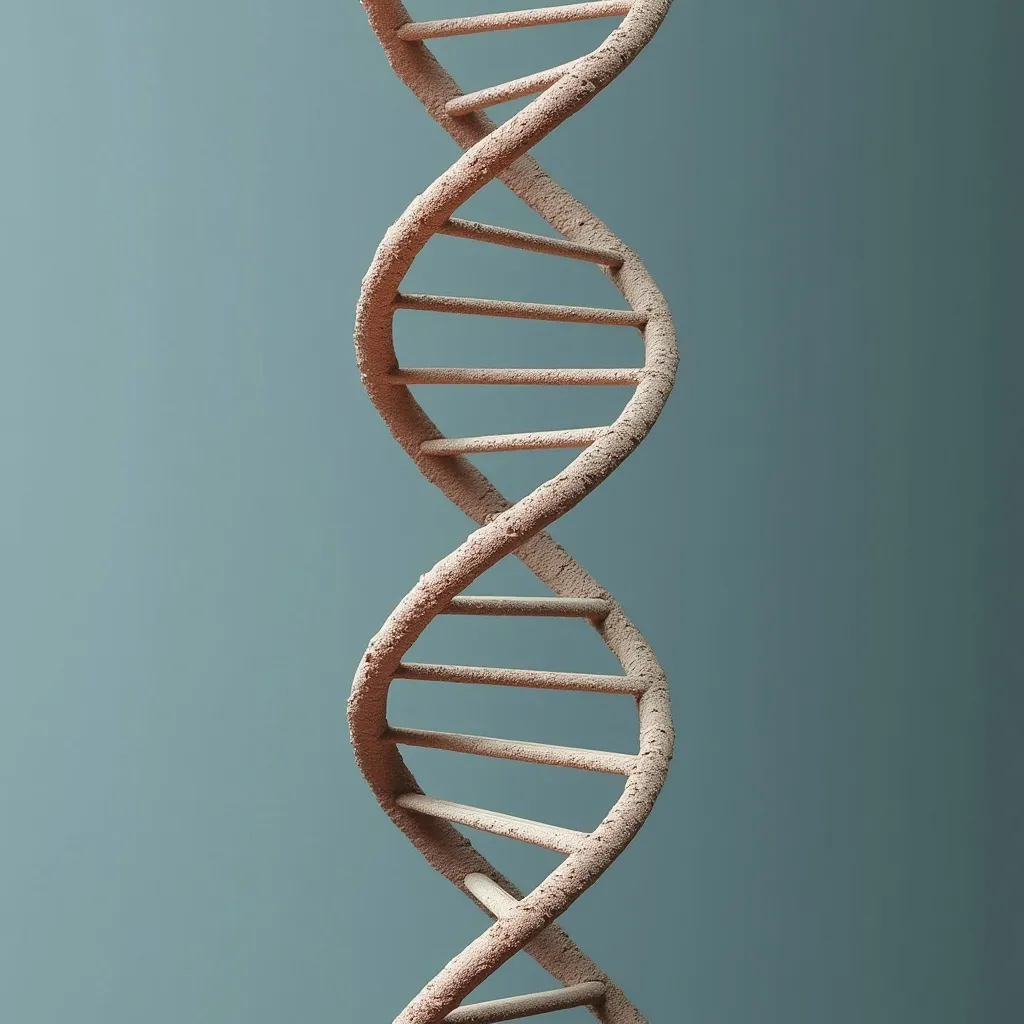
Understanding Genetic Disorders
Genetic disorders are a category of diseases caused by abnormalities in an individual's DNA. These abnormalities can range from a small mutation in a single gene to the addition or subtraction of entire chromosomes or sets of chromosomes. Genetic disorders can be inherited from one or both parents, or they can occur spontaneously.
Types of Genetic Disorders
There are several types of genetic disorders, each with varying degrees of severity and manifestation. They can be broadly classified into three categories: single-gene disorders, chromosomal disorders, and complex disorders.
Single-Gene Disorders
Single-gene disorders are caused by mutations in the DNA sequence of one specific gene. These disorders follow Mendelian inheritance patterns and are categorized as autosomal dominant, autosomal recessive, sex-linked, or mitochondrial.
Examples of single-gene disorders include cystic fibrosis, which affects the respiratory and digestive systems, and sickle cell anemia, a condition impacting the shape and function of red blood cells. Identifying single-gene mutations often involves targeted genetic testing.
Chromosomal Disorders
Chromosomal disorders result from changes in the number or structure of chromosomes. These abnormalities can lead to a surplus or deficiency of genetic material. Some well-known chromosomal disorders include Down syndrome, which is caused by an extra copy of chromosome 21, and Turner syndrome, characterized by a missing or incomplete X chromosome in females.
In chromosomal disorders, the effects are typically more widespread due to the involvement of multiple genes within the affected chromosomes.
Complex Disorders
Complex disorders involve multiple genes, often in combination with environmental factors. This makes them harder to predict and manage. Such disorders do not follow straightforward inheritance patterns, complicating efforts in risk assessment and genetic counseling.
Examples include heart disease, diabetes, and certain types of cancer. Understanding and managing these disorders often require comprehensive approaches, including lifestyle and environmental interventions.
Causes of Genetic Disorders
Genetic disorders can arise from various factors, including:
-
Inherited Mutations: These are passed down from parents to offspring and can be present in either a dominant or recessive form.
-
De Novo Mutations: Such mutations occur spontaneously at conception and are not inherited from either parent. Examples include certain cases of autism spectrum disorders.
-
Environmental Exposures: Exposure to harmful substances, such as radiation or chemicals, during critical periods of development can lead to genetic damage.
-
Age of Parents: Advanced parental age, particularly maternal, has been linked to increased risks of chromosomal abnormalities.
Diagnosis and Testing
Diagnosis of genetic disorders often involves a combination of family history analysis, physical examinations, and specialized genetic testing. Genetic testing can range from simple blood tests to advanced DNA sequencing techniques.
Tools such as prenatal screening, newborn screening, and carrier testing are instrumental in identifying genetic conditions early. Companies like ChatDNA offer services that allow users to analyze their DNA for health-related insights, providing a deeper understanding of potential genetic predispositions.
Management and Treatment
The management of genetic disorders varies according to the type and severity of the condition. Treatments may include:
- Gene Therapy: A pioneering approach aiming to correct defective genes.
- Medication: Used to manage symptoms or complications associated with the disorder.
- Surgery: In certain cases, surgical intervention may be necessary to correct anomalies.
- Lifestyle Modifications: Diet, exercise, and other lifestyle changes can mitigate the effects of many complex disorders.
Current Research and Innovations
Ongoing research in genetics aims to provide more effective treatments and preventive measures. Advances in CRISPR technology, a form of genome editing, hold promise for correcting genetic mutations. Moreover, the Human Genome Project continues to inspire genetic research, leading to a better understanding of the relationship between genes and health.
Uncommon Insights into Genetic Disorders
One lesser-known area of interest is the study of epigenetics, which examines changes in gene expression rather than alterations in the genetic code itself. Epigenetic factors can influence the development of genetic disorders and may also impact their treatment. Understanding these epigenetic mechanisms could unlock new pathways for intervention.
Practical Considerations
For those seeking to understand their genetic health risks or manage a diagnosed genetic disorder, consulting with a genetic counselor may provide valuable insights. Genetic counselors can guide individuals through the implications of their genetic information, inform family planning decisions, and connect patients with resources for support.
Conclusion
Genetic disorders encompass a wide array of conditions and require a multidisciplinary approach for effective management and support. Advances in genetic research continually enhance our understanding of these complex diseases, paving the way for improved diagnostics, treatments, and preventive strategies.
What is ChatDNA?
ChatDNA can analyze your DNA to answer any question. When you ask a question it will provide clear explanations and meaningful insights about who you are at a genetic level.
You can import existing DNA results from all major services like 23andMe and AncestryDNA or purchase a new DNA test kit through ChatDNA.
ChatDNA is especially valuable for anyone interested in:
- Understanding how their genes influence health and wellness
- Learning about their unique genetic traits
- Discovering personalized insights about their biological characteristics
- Getting clear, conversational answers to their DNA-related questions
Ready to get answers about your DNA? Visit ChatDNA.co to get started.