Understanding Genetic Disorder Definition
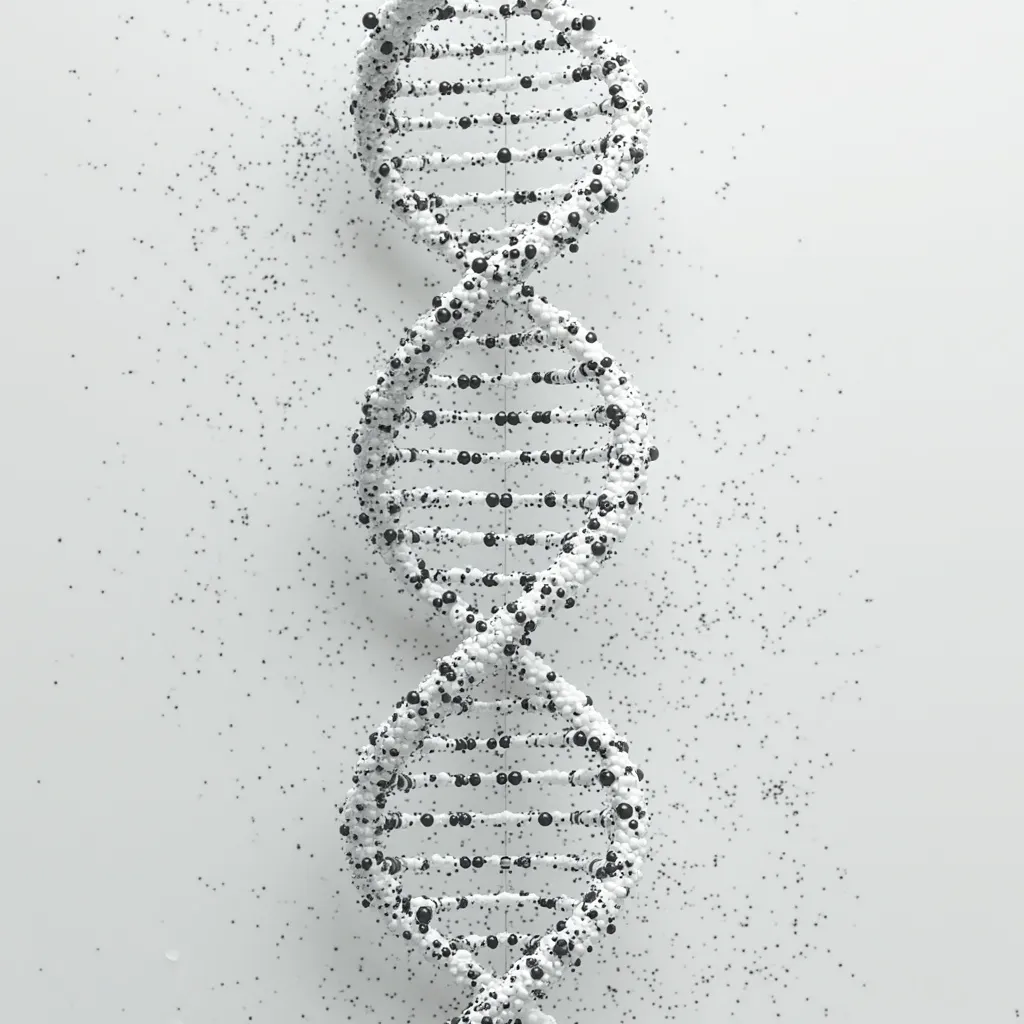
Genetic disorders are conditions caused by abnormalities in an individual's DNA. These abnormalities can range from a single-point mutation in a DNA sequence to gross structural changes involving entire chromosomes. Studying genetic disorders helps improve our understanding of human biology and disease processes.
Key Terminology Explained
Before delving deeper into genetic disorders, understanding some basic genetic terms is essential. DNA, or deoxyribonucleic acid, is the hereditary material in humans and almost all other organisms. Genes are segments of DNA that guide the body's development and function. Chromosomes are structures within cells that contain genes.
Gene mutations are changes in the DNA sequence that can lead to genetic disorders. Mutations can occur spontaneously or be inherited from parents.
Types of Genetic Disorders
Genetic disorders are categorized based on their causes and patterns of inheritance. Single-gene disorders result from mutations in a specific gene. Examples include cystic fibrosis and sickle cell anemia. Chromosomal disorders, such as Down syndrome, arise from changes in chromosome number or structure. Multifactorial inheritance disorders result from a combination of genetic and environmental factors, as seen in heart disease and diabetes.
Inheritance Patterns
Genetic disorders follow different inheritance patterns, which determine the likelihood of passing them to offspring. Autosomal dominant disorders require only one mutated gene from either parent to be expressed, while autosomal recessive disorders require two copies, often passing unnoticed for generations. X-linked disorders are associated with mutations in genes on the X chromosome, affecting males more frequently.
Detection and Diagnosis
Advancements in genetic testing have improved the early detection and diagnosis of genetic disorders. Techniques such as chromosomal microarray analysis and whole-exome sequencing enable detailed analysis of DNA. Companies like ChatDNA offer services that allow users to explore their DNA for potential health insights by utilizing previously collected DNA data.
Impact on Individuals and Society
Living with a genetic disorder can profoundly affect individuals and their families. Understanding the genetic foundations aids in developing targeted treatments and interventions. Societal awareness and genetic counseling support informed decision-making for those at risk or affected by genetic disorders.
Lesser-Known Insights in Genetic Disorders
While much focus is on diagnosis and treatment, studying genetic disorders also reveals insights into evolutionary biology. Certain genetic mutations offer protection against other diseases. For instance, carriers of the sickle cell trait have increased resistance to malaria, a survival advantage in some populations.
Conclusion
The definition and understanding of genetic disorders continue to evolve with scientific research. While genetic mutations can lead to disorders, they also provide a window into the complex interplay of genes and the environment. Continuous research and technological advances offer hope for more effective management and familial guidance in confronting genetic disorders. For those keen to explore their genetic makeup, tools like ChatDNA offer a practical means for uncovering personalized health insights.
What is ChatDNA?
ChatDNA can analyze your DNA to answer any question. When you ask a question it will provide clear explanations and meaningful insights about who you are at a genetic level.
You can import existing DNA results from all major services like 23andMe and AncestryDNA or purchase a new DNA test kit through ChatDNA.
ChatDNA is especially valuable for anyone interested in:
- Understanding how their genes influence health and wellness
- Learning about their unique genetic traits
- Discovering personalized insights about their biological characteristics
- Getting clear, conversational answers to their DNA-related questions
Ready to get answers about your DNA? Visit ChatDNA.co to get started.