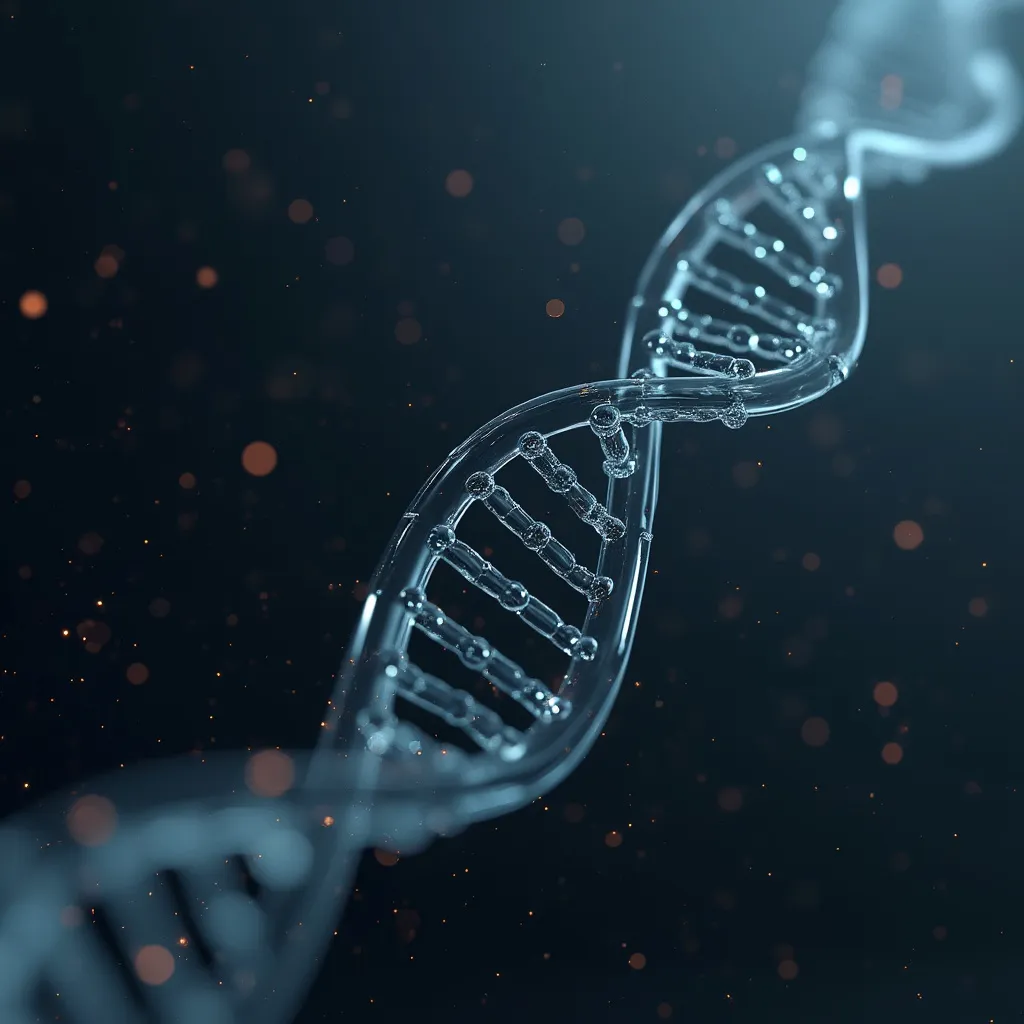
Understanding the Genetic Code
Unlock the mysteries of life by exploring the intricacies of the genetic code. Learn about its significance, structure, and impact on living organisms.
The genetic code is a fundamental aspect of biology, playing a critical role in the determination and functioning of all living organisms. Understanding how this code operates offers insights into the essence of life itself. In this article, we will delve into the depths of this topic, exploring its components, function, and significance within biological systems.
What is the Genetic Code
The genetic code is a set of instructions found in the DNA and RNA of cells. It dictates how proteins are synthesized, which are essential for the structure and function of all living things. Comprising sequences of nucleotides, the code specifies which amino acids are linked together to form proteins. The nucleotide sequences are arranged in groups of three, known as codons, each of which codes for a specific amino acid.
Structure of the Genetic Code
The genetic code is universal among most organisms, reflecting its evolutionary significance. It consists of four nucleotide bases in DNA: adenine (A), cytosine (C), guanine (G), and thymine (T). In RNA, uracil (U) replaces thymine. Codons are triplets of these bases, and each codon corresponds to a particular amino acid or serves as a start or stop signal for protein synthesis. With 64 possible codons and only 20 amino acids, the code is both degenerate and unambiguous—multiple codons can specify a single amino acid, but each codon can represent only one amino acid.
Function and Importance of the Genetic Code
The genetic code ensures that the correct proteins are built, ultimately determining the function and behavior of cells. Proteins are responsible for a plethora of tasks such as catalyzing metabolic reactions, replicating DNA, responding to stimuli, and transporting molecules. Mutations or changes in the genetic code can lead to variations in the protein products, impacting how cells and organisms function.
Genetic Code and Evolution
The universality of the genetic code among diverse life forms points to a common evolutionary origin. Although rare exceptions exist, such as in some organelles and microorganisms, these are deviations rather than a complete departure from the universal code. The genetic code's resilience and minimal change over time suggest a robust evolutionary advantage, providing stability and adaptability across generations.
Applications of Genetic Knowledge
Understanding the genetic code has led to numerous practical applications. For example, genetic engineering and biotechnology rely on manipulating genetic sequences to produce desired traits or products. In medicine, this knowledge aids in developing genetic therapies for diseases caused by mutations. Personal DNA testing services, such as ChatDNA, offer individuals insights into their genetic predispositions to various health conditions using the information encoded in their DNA.
Less Common Insights into the Genetic Code
While much of the genetic code's structure and function is well-mapped, studies into non-canonical DNA/RNA codons continue to expand our knowledge. These codons can have specialised roles in certain organisms, potentially leading to new discoveries in genetic research. Another interesting area is the exploration into the evolutionary basis of codon assignment and how it might vary among ancient organisms compared to modern life forms. Such niche insights could inform future biotechnological advancements.
Conclusion
A comprehensive understanding of the genetic code provides invaluable insight into the mechanisms underlying life. From the structural intricacies of nucleotides to the biological implications of codons, the genetic code offers a window into the molecular constitution of living organisms. This knowledge not only enhances our grasp of biology but also fuels a range of scientific and medical advancements. Through exploring the genetic code, we continue to uncover the profound complexities and potentials of genetic information.
What is ChatDNA?
ChatDNA can analyze your DNA to answer any question. When you ask a question it will provide clear explanations and meaningful insights about who you are at a genetic level.
You can import existing DNA results from all major services like 23andMe and AncestryDNA or purchase a new DNA test kit through ChatDNA.
ChatDNA is especially valuable for anyone interested in:
- Understanding how their genes influence health and wellness
- Learning about their unique genetic traits
- Discovering personalized insights about their biological characteristics
- Getting clear, conversational answers to their DNA-related questions
Ready to get answers about your DNA? Visit ChatDNA.co to get started.