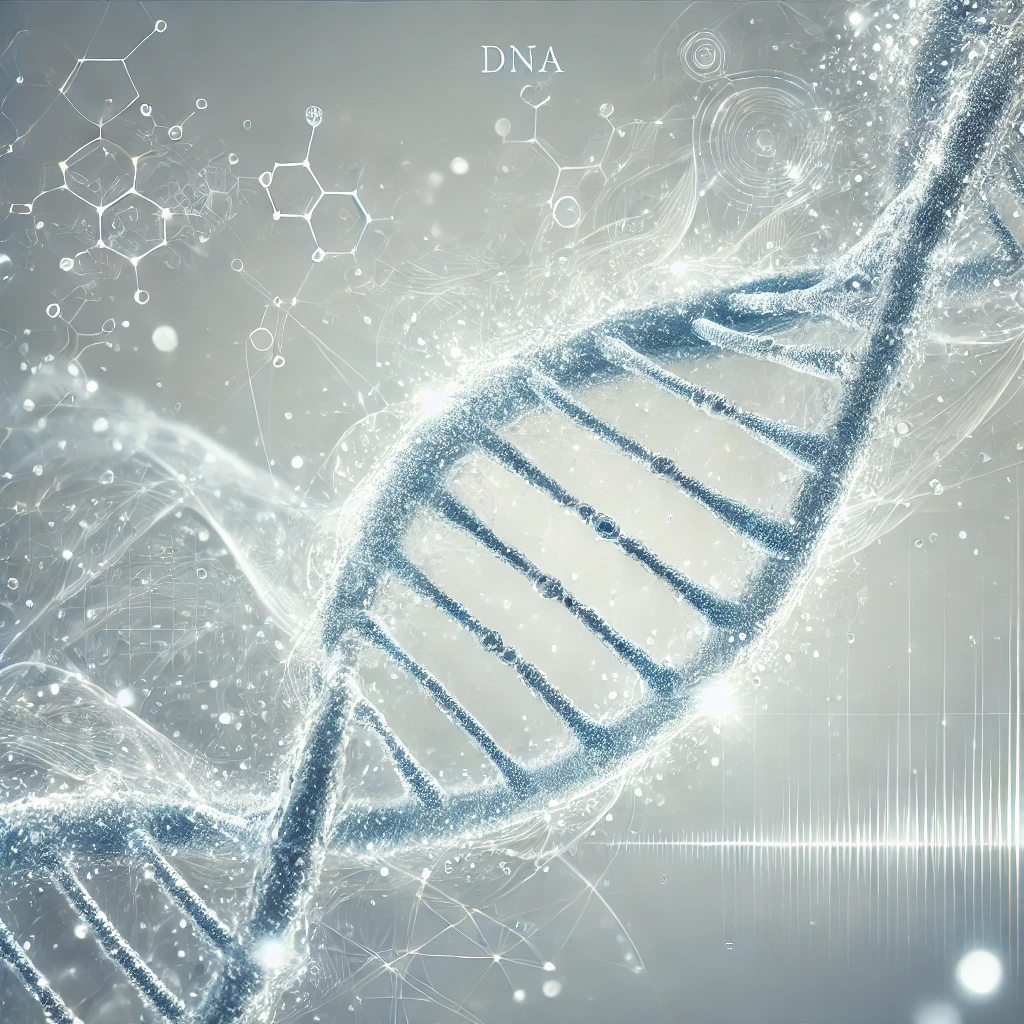
Understanding DNA Testing: A Comprehensive Guide
Discover the fascinating world of DNA testing, a powerful tool for unlocking genetic insights about health, ancestry, and more.
DNA testing has emerged as a pivotal technology in personal genomics, offering individuals valuable insights into their genetic makeup. This form of testing has diverse applications, ranging from health-related evaluations to tracing familial lineages. With its growing popularity, understanding the nuances of DNA testing can help individuals make informed decisions about their genetic information. This guide aims to delve into the different aspects of DNA testing, its applications, and practical considerations.
What is DNA Testing?
DNA testing involves analyzing an individual's genetic material, usually extracted from a saliva or blood sample, to provide information about their genetic code. This process examines specific sequences within the genome to identify genetic variations. These variations are crucial in determining specific traits, susceptibility to certain health conditions, and ancestral roots. By examining these genetic markers, DNA testing can provide a wealth of information about an individual's biological heritage and health predispositions.
Different Types of DNA Tests
DNA testing can be broadly classified into several categories, each serving distinct purposes:
-
Genetic Health Testing: This type of testing focuses on identifying genetic predispositions to certain medical conditions, such as cancer or cardiovascular diseases. It helps individuals understand their health risks and take proactive measures in consultation with healthcare providers.
-
Ancestry Testing: Ancestry DNA tests explore an individual's ethnic roots and familial connections by comparing their genetic data with that of various populations worldwide. It provides insights into geographic origins and potential relatives across generations.
-
Paternity and Relationship Testing: These tests establish or verify biological relationships between individuals. Paternity tests are widely used in legal scenarios to confirm parental relationships.
-
Wellness and Trait Testing: Some DNA tests, such as those offered by ChatDNA, analyze genes linked to wellness and lifestyle traits. These tests provide information on how diet, exercise, and other factors might influence an individual based on their genetic makeup.
Understanding Genetic Privacy
One significant consideration in DNA testing is the privacy of genetic data. DNA contains comprehensive information about an individual's biology, and unauthorized sharing of this data can pose privacy risks. When choosing a DNA testing company, it's essential to examine their privacy policies and data protection measures. Ensure that the service provider complies with relevant regulations and offers options for users to control their genetic information.
Practical Tips for DNA Testing
-
Select the Appropriate Test: Clearly define the purpose of the DNA test—is it for ancestry exploration, health understanding, or another reason? This will guide you in choosing the right test type.
-
Research Service Providers: Look into the reputation and privacy policies of DNA testing companies before committing. Consider options like ChatDNA, especially if you're interested in health and wellness insights.
-
Consider the Implications: Be aware of what the results may reveal, particularly concerning health predispositions. It's advisable to consult a healthcare professional to interpret and act on health-related findings.
-
Secure Genetic Data: Once results are available, take precautions to secure your genetic information. Some services allow users to download and manage their data, offering greater autonomy over personal information.
Advanced Applications and Insights
While many are familiar with consumer-facing DNA tests, there's a broader world of advanced applications. Researchers use DNA sequencing technology to study genetic diseases and develop treatments. Environmental DNA (eDNA) sampling, a lesser-known method, involves analyzing genetic material found in environmental samples to study biodiversity and monitor ecosystems. These advanced applications highlight the vast potential of genetic research beyond individual insights.
Navigating the world of DNA testing requires careful consideration of personal goals and the broader ethical and privacy implications involved. By understanding the types and capabilities of DNA tests, individuals can make informed decisions about accessing and utilizing their genetic information effectively. As genetic technologies continue to evolve, they offer exciting possibilities for personal and scientific advancements.
What is ChatDNA?
ChatDNA can analyze your DNA to answer any question. When you ask a question it will provide clear explanations and meaningful insights about who you are at a genetic level.
You can import existing DNA results from all major services like 23andMe and AncestryDNA or purchase a new DNA test kit through ChatDNA.
ChatDNA is especially valuable for anyone interested in:
- Understanding how their genes influence health and wellness
- Learning about their unique genetic traits
- Discovering personalized insights about their biological characteristics
- Getting clear, conversational answers to their DNA-related questions
Ready to get answers about your DNA? Visit ChatDNA.co to get started.